📅 Last updated:
📋 Table of Contents
The Short Answer
The best toy size guide for small dogs starts with your dog’s mouth, not just their body weight. A toy should be large enough that your dog cannot swallow it, yet small enough to carry, nudge, and chew comfortably. For most small dogs weighing 5 to 25 pounds, that usually means toys measuring about 3 to 6 inches long, with softer toys sized according to the dog’s bite and play style.
Choose a toy with no small detachable parts, securely stitched seams, and a shape your dog can grip without stretching their jaw too wide. A 3- to 4-inch plush toy may suit a Chihuahua or Yorkie, while a 5- to 6-inch rubber ball or tug toy may be more appropriate for a stockier French Bulldog or miniature Schnauzer. Always supervise chewing, and replace toys when stuffing, squeakers, fabric, or rubber becomes damaged.
As an Amazon Associate we earn from qualifying purchases at no extra cost to you.


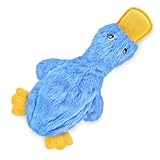

Prices vary by retailer, color, pack size, and promotions.
Standard Sizes
See also: 7 Best Refillable Frozen Dog Treat Toys for Long-Lasting Licks • Best Dog Door Mat for Muddy Paws: Sizing, Materials and Picks by Entryway
There is no universal toy-sizing standard, so product labels such as “small,” “puppy,” and “extra-small” can differ. Use the measurements below as a practical starting point. Measure the toy itself, including its widest point, rather than relying only on the package category.
| Toy size | Typical dimensions | Approximate metric size | Best suited to | Common toy types |
|---|---|---|---|---|
| Extra-small | 2–3 in long × 1.5–2 in wide | 5–7.6 × 3.8–5 cm | Dogs 3–8 lb with petite mouths | Mini plush toys, tiny balls, lightweight rattles |
| Small | 3–4.5 in long × 2–3 in wide | 7.6–11.4 × 5–7.6 cm | Dogs 5–15 lb | Squeaky plush, soft rubber balls, small chew toys |
| Small-medium | 4–6 in long × 2.5–3.5 in wide | 10.2–15.2 × 6.4–8.9 cm | Dogs 12–25 lb or strong chewers | Tug toys, treat puzzles, thicker rubber toys |
| Short tug or rope | 8–12 in long × 0.5–1 in thick | 20.3–30.5 × 1.3–2.5 cm | Small dogs that enjoy interactive play | Knotted ropes, fleece tugs, short pull toys |
| Small treat puzzle | 8–12 in long × 6–10 in wide × 1.5–3 in high | 20.3–30.5 × 15.2–25.4 × 3.8–7.6 cm | Small dogs needing supervised enrichment | Sliding puzzles, lick mats, beginner feeders |
For balls, measure diameter rather than length. A 1.5-inch ball, or about 3.8 cm, may be suitable for a very petite dog, while a 2- to 2.5-inch ball, or 5.1 to 6.4 cm, is a more common range for dogs between 10 and 25 pounds. The ball should remain clearly wider than your dog’s throat. Avoid any ball that can pass fully behind the canine teeth.
Soft toys often work best when they are 1.25 to 2 times the length of your dog’s muzzle. A 3-inch toy can be a good choice for a tiny dog, while a 5-inch plush toy may be easier for a larger small breed to carry.
How to Measure Your Space
- Measure your dog’s muzzle. Use a soft tape measure from the nose tip to the point where the muzzle meets the face. Also measure the muzzle’s widest width. This helps you compare the toy’s thickness and length with your dog’s natural grip.
- Check the mouth opening. When your dog opens their mouth comfortably, estimate the opening from the upper jaw to the lower jaw. Select a toy that does not force an unusually wide stretch. For a puppy, allow room for growth but do not compensate with a toy that is too large to use safely today.
- Measure the play area. For indoor fetch, leave at least 3 feet, or 0.9 meter, of clear space in front of the dog. A soft toy or low-bounce ball is safer than a hard ball in a narrow hallway.
- Measure storage space. A small basket approximately 10 inches wide by 8 inches deep by 6 inches high, or 25.4 by 20.3 by 15.2 cm, can hold several small plush toys. Keep chews separate from soft toys so worn items are easier to identify.
- Measure puzzle clearance. Place feeding puzzles at least 2 inches, or 5 cm, away from walls and furniture. Your dog needs space to circle the puzzle and use their paws without knocking it under a cabinet.
- Compare weight. A toy weighing about 1 to 4 ounces, or 28 to 113 grams, is usually manageable for many small dogs. Heavier rubber toys can be suitable for strong chewers, but they should not be so dense that they strain the dog’s jaw or become difficult to carry.
By Room or Use Case
Living Room
Choose soft, quiet toys measuring 3 to 5 inches, or 7.6 to 12.7 cm, for indoor carrying and gentle tossing. Plush squeaky toys are convenient on hard floors, but supervise dogs that remove stuffing or squeakers.
Apartment or Hallway Fetch
Use a lightweight ball measuring about 2 to 2.5 inches in diameter, or 5.1 to 6.4 cm, with low bounce. Avoid hard, fast balls that can strike walls, furniture, or a dog’s teeth. A soft rubber ball is generally easier to retrieve from under furniture and produces less noise than a dense plastic ball.
Crate or Travel
Select one compact comfort toy between 3 and 4 inches long, or 7.6 to 10.2 cm. It should not fill the crate or block ventilation. Avoid long ropes, toys with loose strings, and anything with parts that could be pulled off during unsupervised travel.
Teething and Chewing
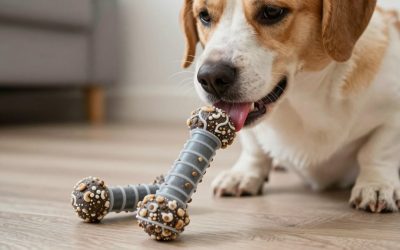
For puppies and small dogs that chew, look for a rubber or nylon toy about 3 to 5 inches long and 1.5 to 2.5 inches thick, or 3.8 to 6.4 cm. The material should have some flexibility. Very hard items can damage teeth, while thin fabric may be destroyed quickly.
Enrichment and Meals
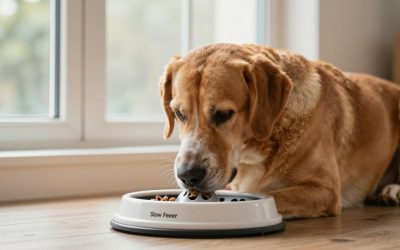
A beginner puzzle measuring 8 to 10 inches wide, or 20.3 to 25.4 cm, is often enough for a small dog. Start with large openings and easy sliding sections. Treat compartments should hold pieces no larger than your dog can comfortably chew. A puzzle that is too difficult can cause frustration rather than useful mental exercise.
Tug and Training
Use an 8- to 12-inch rope or fleece tug, or 20.3 to 30.5 cm, with a handle or knot that fits your hand. The gripping section should be at least 0.5 inch thick, or 1.3 cm, for many small dogs. Keep tug sessions controlled, and stop if your dog begins snapping at hands or pulling with excessive force.
Common Sizing Mistakes
- Choosing by breed label alone: Two dogs of the same breed can have very different jaw widths and chewing habits. Measure the individual dog.
- Buying the smallest possible toy: Tiny toys can become choking hazards, especially if they fit entirely behind the dog’s front teeth.
- Ignoring toy thickness: A long toy may still be unsafe if it is narrow enough to break apart or lodge in the mouth.
- Using a puppy toy for a powerful adult chewer: Adult dogs with strong jaws may need thicker rubber and reinforced construction.
- Confusing “small” with “fragile: Small dogs can be determined chewers. Size and durability are separate considerations.
- Leaving damaged toys available: Frayed fabric, exposed stuffing, cracked rubber, and loose squeakers are reasons to discard or repair a toy immediately.
- Overlooking supervision: Even a correctly sized toy can become unsafe after wear, so inspect toys before and after play.
FAQ
What size toy is best for a 10-pound dog?
Start with toys measuring about 3 to 5 inches long, or 7.6 to 12.7 cm, and balls around 2 inches in diameter, or 5.1 cm. Choose the larger end of the range if the dog has a broad muzzle or is a determined chewer. The toy should not fit completely inside the mouth.
Can small dogs use medium-size toys?
Sometimes. A small dog can use a medium toy for supervised tugging or pushing if the toy is light enough to carry and does not require an excessive jaw stretch. Avoid oversized balls, heavy rubber chews, or thick toys that prevent the dog from getting a comfortable grip.
How do I know if a toy is too small?
A toy is too small if your dog can place the entire item behind their canine teeth, swallow it, or chew off pieces quickly. It is also too small if it breaks into sections that could be swallowed. When in doubt, choose a wider, sturdier design and supervise play.
How many toys should a small dog have?
Four to six toys provide a useful starting rotation: one comfort toy, one chew, one interactive toy, one fetch toy, and one puzzle or treat toy. Rotate them every few days to maintain interest, and keep only toys that remain intact and appropriate for your dog’s current size and chewing style.