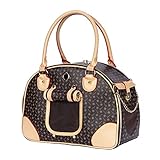
- Top Pick: Adriene's Choice Luxury Pet Carrier, Puppy Small Dog Carrier, Cat Carrier Bag, Waterproof Premium PU Leather Carrying Handbag for Outdoor Travel Walking Hiking Shopping
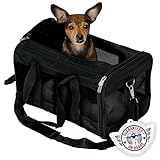
- Best Value: Noah & Paw Dog Sling Carrier for Small Dogs 5-18lb, Dog Sling for Small Dogs and Cats, Dog Carrier with Adjustable Padded Strap, Vegan Leather Lined with Fur, 3X Safety Features, Machine Washable
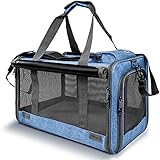
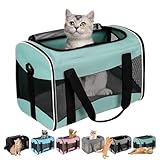
- Premium Choice: Cat Dog Carriers Soft-Sided Pet Carrier Large Cats for Medium Big Cat Small Dog Puppy up to 16lbs TSA Airline Approved Animal Collapsible Cat Carrier Carriers Travel Carrier Cat Bag (17x11x11)
📅 Last updated:
Shopping for a pet carrier can look simple until you compare dozens of bags with different dimensions, weight limits, materials, and safety features. The most common mistake is buying based on appearance alone. A polished faux-leather carrier may look excellent but lack ventilation, while an inexpensive soft-sided crate may have the right dimensions but collapse around a nervous pet. Another frequent error is treating a carrier’s maximum weight as the same thing as a comfortable fit.
The right carrier should suit your pet, your method of travel, and the amount of handling you expect to do. A purse-style carrier may work for a 7-pound cat on a short shopping trip but not for a 15-pound dog walking through an airport. Use this guide to determine what to look for in pet carriers before comparing features and prices in 2026.
As an Amazon Associate we earn from qualifying purchases at no extra cost to you.


📋 Table of Contents
Decide These 3 Things First
- Your pet’s actual size: Measure standing height from the floor to the top of the head or ears, body length from nose to the base of the tail, and width at the widest point. Add roughly 2 to 4 inches to each relevant measurement so your pet can turn around and reposition.
- How you will travel: A carrier for car rides, errands, and neighborhood walks can prioritize access and portability. Air travel adds strict requirements for exterior dimensions, ventilation, leak resistance, and under-seat compatibility. Always check the airline’s current rules before purchasing.
- How long your pet will stay inside: A 20-minute trip requires less room and padding than a four-hour journey. For longer periods, look for stronger ventilation, a washable liner, a stable base, and enough interior space for your pet to change position comfortably.
Size and Weight Capacity
See also: How to Set Up Timed Pet Feeder (2026): Step-by-Step • Water Fountain Buying Guide for Multiple Pets in 2026: What Actually Matters
Size is the most important answer to what to look for in pet carriers. Do not choose by weight alone. Two pets weighing 12 pounds can have very different body shapes, and a long-bodied cat may need more floor space than a compact dog of the same weight.
For a soft-sided carrier, measure your pet while standing naturally. The interior should generally allow your pet to stand without pressing its head against the roof, turn around, and lie down fully. A small carrier around 16 by 10 by 10 inches may suit a compact pet under approximately 10 pounds, while a carrier around 17 by 11 by 11 inches may accommodate some pets up to 16 pounds. Those figures are starting points, not guarantees.
Pay attention to interior dimensions rather than exterior dimensions. Thick padding, structured panels, and storage compartments can reduce usable space by an inch or more. If your pet is between sizes, choose the larger option unless you need an airline carrier with strict under-seat limits. Never exceed the manufacturer’s weight rating; the base, seams, and shoulder strap may not support the load safely.
Material and Cleanability
Carrier materials affect durability, comfort, odor control, and maintenance. Common choices include polyester, nylon, canvas, coated fabric, and faux leather. Polyester and nylon are usually lightweight and flexible, making them practical for frequent travel. Coated versions resist light moisture and wipe clean more easily.
Faux leather can provide a structured, polished appearance and may be useful for short outings. However, it can become warm in direct sun and may show scratches or cracking over time. Look for a breathable mesh section rather than relying on the exterior material to regulate temperature.
For accident protection, prioritize a removable, washable liner and a base that is water-resistant or waterproof. “Waterproof” may refer only to the outer fabric, so inspect the seams, zipper edges, and bottom panel. A machine-washable liner is more useful than a carrier that is technically wipeable but difficult to clean inside.
For most pets, a carrier weighing about 2 to 4 pounds when empty offers a reasonable balance between portability and structure. Very light bags can be convenient, but they may have less padding or a weaker base. Add your pet’s weight before judging whether the total load will be manageable.
Construction and Safety
Construction determines whether a carrier stays stable when lifted, set down, or carried over one shoulder. Examine the base first. It should remain level under your pet’s weight instead of folding upward in the middle. A removable stiff board or reinforced bottom is especially helpful for cats and pets that dislike unstable footing.
Inspect stitching at the handles, shoulder strap, corners, and zipper ends. These are high-stress areas. Wide webbing—about 1 to 1.5 inches for handles and straps—is generally more comfortable and distributes force better than narrow cord-style handles. If the carrier has a shoulder strap, look for reinforced attachment points sewn across several inches of fabric.
Useful safety features include locking or clip-secured zipper pulls, an interior tether, and a top or side opening. A tether should attach to a harness, not a collar, to reduce the risk of choking if your pet tries to jump out. It should also be adjustable so it limits escape without restricting normal movement.
Ventilation should cover multiple sides, not just a small front panel. Mesh windows on at least two sides are a practical minimum for ordinary travel; three or four ventilated sides improve airflow but may reduce privacy. Mesh should be tightly woven and firmly attached, with no loose edges your pet can chew.
Comfort and Performance
Comfort depends on more than soft lining. A plush interior can be appealing, but too much padding reduces space and can hold heat. Look for padding around 0.5 to 1 inch in the base and shoulder strap, with a removable cover for washing.
Consider how the carrier behaves while moving. A sling can be convenient for a calm small dog or cat weighing roughly 5 to 12 pounds, but it allows more lateral motion than a structured bag. Slings should have a wide, adjustable strap, a secure top closure, and an interior safety tether. They are not ideal for pets that struggle, jump, or need a flat base.
For walking, a carrier with a cross-body or shoulder strap can leave your hands free. For car travel, look for a carrier that can be secured with a seat belt without crushing the ventilation panels. Not every soft-sided bag is crash-tested, so do not assume a seat-belt loop makes it a crash-protection device. For driving, follow the carrier maker’s instructions and keep the carrier away from airbags.
For air travel, confirm the airline’s approved dimensions before buying. A carrier marketed as “airline approved” may fit some aircraft but not others. A common soft-sided format is approximately 17 to 18 inches long, 10 to 12 inches wide, and 9 to 11 inches high, but under-seat space varies by aircraft and seat location.
Price Tiers
Price can help narrow your options, but it is not a direct measure of safety or comfort.
- Budget: $20 to $40. Expect basic polyester or nylon, lighter padding, and fewer reinforcements. This tier can work for occasional short trips if the base, zippers, and ventilation are sound.
- Midrange: $40 to $80. You may find better structure, stronger hardware, washable liners, padded straps, and more polished materials such as coated fabric or faux leather.
- Premium: $80 to $180 or more. Higher prices may reflect stronger frames, specialized travel design, better finishing, replaceable components, or more extensive warranty support. Verify which benefits are actually included.
A $30 carrier with a stable base and reliable closures can be a better purchase than a $60 fashion-oriented bag with limited ventilation. Reserve extra budget for a washable liner, travel bowl, or replacement pad if those items are not included.
Warranty and Replacement Support
Check the warranty before treating a carrier as a long-term purchase. A basic warranty of 30 to 90 days may cover manufacturing defects but not chewing, scratching, normal wear, stains, or damage caused by airline handling. Some brands offer one year of limited coverage, while premium products may provide longer protection on hardware or structural components.
Read the return window as carefully as the warranty. A 30-day return period is useful only if the carrier has not been used outdoors or exposed to pet hair, odors, or damage. Measure your pet and test the fit indoors during the first few days. Keep tags, packaging, and receipts until you know the carrier works.
Replacement support matters for carriers with removable pads, shoulder straps, or specialized inserts. A product with replaceable parts may cost more initially but remain useful longer than one that must be discarded after a damaged strap or worn liner.
Delivery and Assembly
Most soft-sided carriers require little assembly, but they may arrive folded. Allow 24 to 48 hours for the panels and base to regain their intended shape. Do not force zippers or place your pet inside while the carrier is still distorted.
Before the return period ends, check every zipper, buckle, seam, mesh panel, and handle. Measure the carrier after it is fully expanded, since folded shipping dimensions are not the same as usable dimensions. If delivery packaging is crushed or wet, photograph it before opening and inspect the carrier for bent supports or torn fabric.
For a carrier needed for a flight or move, order at least two to three weeks early. That leaves time for exchanges, pet acclimation, and confirmation that the carrier fits the intended vehicle or aircraft space.
Spec Checklist
| Spec | Budget | Mid | Premium |
|---|---|---|---|
| Typical price | $20–$40 | $40–$80 | $80–$180+ |
| Common exterior size | 15–18 × 9–11 × 9–12 in. | 16–19 × 10–12 × 10–13 in. | 17–22 × 11–14 × 11–15 in. |
| Pet weight range | Up to 10–16 lb | Up to 12–20 lb | Up to 15–25 lb, depending on design |
| Empty carrier weight | 2–3 lb | 2.5–4.5 lb | 3.5–7 lb |
| Ventilation | At least 2 mesh panels | 2–3 ventilated sides | 3–4 ventilated sides with structured airflow |
| Useful features | Washable pad, top zipper | Reinforced base, tether, padded strap | Replaceable parts, stronger hardware, extended warranty |
Red Flags
- A weight limit is listed, but interior dimensions are missing.
- The carrier has one small ventilation opening or mesh that feels loose at the edges.
- Handles are attached only to a thin outer panel rather than reinforced webbing.
- The base bends sharply, sags, or lacks a removable washable liner.
- Zippers open easily with one pull and have no locking feature or interior tether.
- “Airline approved” appears in the product name without specific dimensions or airline guidance.
- The product photos show a pet whose size is not identified, making scale difficult to judge.
- The return policy excludes opened products, while the fit cannot be evaluated without opening the package.
FAQ
How do I measure my pet for a carrier?
Measure standing height from the floor to the top of the head or ears, body length from the nose to the base of the tail, and width at the widest point. Compare those measurements with the carrier’s interior dimensions, not just its advertised weight capacity. Your pet should be able to turn around, lie down, and adjust position.
Is a soft-sided or hard-sided carrier better?
Soft-sided carriers are lighter, easier to store, and often more practical for walking or airline travel. Hard-sided carriers generally provide more stable walls, easier cleaning, and better protection from crushing. Choose based on the travel setting, your pet’s temperament, and whether the carrier will be secured in a car.
Can I use a pet carrier in the car?
Yes, but follow the manufacturer’s directions for securing it. Use a seat-belt attachment only if it is designed for that purpose, and do not assume it indicates crash protection. Keep the carrier level, well ventilated, and away from airbags. A harness or carrier tether is safer than attaching a leash to a collar inside the carrier.
How can I help my pet accept a new carrier?
Leave the carrier open in a familiar room with a blanket or treat inside. Begin with short sessions and reward calm behavior. Gradually practice closing the door, lifting the carrier, and taking brief trips. Allow at least several days of positive practice—longer for anxious pets—before a flight or extended journey.
Ready to decide? Our #1 pick for 2026 is the Typical price.
Live price & availability on Amazon.