📅 Last updated:
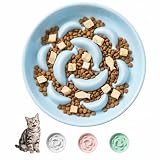
Slow-feeder bowls are simple in principle: raised ridges, channels, and pockets make a pet work around obstacles instead of vacuuming up a meal in seconds. The buying mistakes are equally simple. Shoppers often choose the deepest-looking maze, buy a bowl that is too small for the pet’s muzzle, or focus on a cute shape while overlooking stability, cleaning, and food capacity. A bowl that slows eating but frustrates the pet, tips across the floor, or traps residue in narrow corners is not a good solution.
When comparing slow feeder ridges in 2026, think less about how complicated the pattern looks and more about the match between ridge geometry, bowl size, food type, and your pet’s eating style. The right design should extend mealtime without creating unnecessary stress or making daily cleanup a chore.
As an Amazon Associate we earn from qualifying purchases at no extra cost to you.


📋 Table of Contents
- Decide These 3 Things First
- Size and Capacity: Match the Bowl to the Pet, Not the Room
- Material: Plastic, Ceramic, and Stainless Steel Inserts
- Ridge Construction: Choose the Right Level of Difficulty
- Comfort and Real-World Performance
- Price Tiers: What You Actually Get for the Money
- Warranty, Returns, and Replacement Parts
- Delivery and Assembly
- Spec Checklist
- Red Flags
- FAQ
Decide These 3 Things First
- Who is using it? Measure your pet’s muzzle width at its widest point. As a rule, the usable channels should be at least 1/2 inch wider than a cat’s muzzle and 3/4 to 1 inch wider than a dog’s muzzle. Flat-faced breeds, kittens, senior pets, and pets with dental issues usually need gentler, more open ridges.
- What food will go in it? Dry kibble works in most patterns. Wet food, raw food, and mixed meals need wider channels and smoother corners. For wet food, look for channels roughly 3/4 inch wide or more; very tight grooves can be difficult to fill and clean.
- How much food does the pet eat per meal? Do not assume bowl diameter equals capacity. A shallow 8-inch slow feeder may hold only 1 to 1 1/2 cups comfortably once ridges take up interior space. Check the stated capacity and leave at least 1/4 inch of clearance below the rim to reduce spills.
Size and Capacity: Match the Bowl to the Pet, Not the Room
See also: How to Remove Litter Box Odor Buildup (2026): Step-by-Step • How to Fix a Jammed Automatic Feeder (2026): Step-by-Step
Slow feeder dimensions matter more than many buyers expect. A bowl that is undersized can force a pet to eat at an awkward angle, while an oversized bowl may allow a small pet to reach through the pattern too easily. Start with the interior eating area, not just the outside diameter listed on the package.
For most cats and toy-breed dogs, an outside diameter of about 5.5 to 7 inches is practical. Whisker-sensitive cats generally do better with a broad, shallow design around 6 to 7 inches wide and 1 to 1.5 inches deep. A 6.3-inch ceramic cat slow feeder is a sensible example of this format: wide enough to reduce whisker contact for many cats, without becoming a large floor-hogging dish.
For small and medium dogs, look for bowls around 7.5 to 9.5 inches across. The common 8.8-inch and 9.1-inch plastic slow-feeder formats are useful reference points for dogs that eat roughly 1 to 2 cups per meal. Medium and larger dogs may need 10 to 12 inches in diameter, particularly if they have a broad muzzle or eat more than 2 cups at a sitting.
Depth should be proportional to muzzle length. A shallow bowl measuring 1.25 to 2 inches deep works best for cats and short-snouted dogs. Dogs with longer muzzles can usually handle 2 to 3 inches of depth, but extremely deep wells can turn a meal into a frustrating digging exercise. If your pet regularly leaves food at the base of the ridges, choose a shallower design next time.
Material: Plastic, Ceramic, and Stainless Steel Inserts
Material affects weight, durability, cleaning, and the type of ridge detail a bowl can support. Food-grade plastic is the most common option because it is inexpensive, lightweight, and easy to mold into elaborate patterns. Expect basic plastic bowls to weigh roughly 6 to 14 ounces. That makes them convenient for travel, but light bowls need a secure nonslip base to avoid skating across hard floors.
Choose plastic with a smooth, intact surface and clear care instructions. Dishwasher-safe construction is helpful, but hand-washing can still be easier for intricate patterns. Replace a plastic bowl if it develops deep scratches, cracks, persistent odor, or chewed edges. Those areas are harder to keep clean.
Ceramic slow feeders are usually heavier, often around 1.5 to 3.5 pounds depending on diameter and wall thickness. That weight improves stability, especially for enthusiastic eaters. A medium 8.3-inch ceramic dog bowl, for example, can be a strong choice when a dog pushes lightweight plastic bowls around the kitchen. Look for a fully glazed eating surface and a broad, flat base. Avoid bowls with chipped glaze, visible crazing, or unglazed food-contact areas.
Stainless steel is durable and easy to sanitize, but fully stainless slow feeders are less common because intricate ridges are harder to form. You may see stainless bowls paired with a removable slow-feed insert. This setup can work well, provided the insert fits tightly and does not leave a gap where food can collect.
Ridge Construction: Choose the Right Level of Difficulty
“More ridges” does not automatically mean “better slow feeding.” What matters is the distance between obstacles, their height, the shape of the channels, and whether the pet can access food without scraping its nose or teeth. For a first slow feeder, moderate ridges are usually the safest starting point.
Gentle designs have rounded barriers about 1/4 to 1/2 inch high with broad, open paths. These are best for cats, puppies, seniors, flat-faced breeds, and pets switching from a standard bowl. Moderate patterns typically use 1/2- to 1-inch-high ridges with a mix of curves and pockets. They suit many healthy adult dogs eating dry kibble.
Deep maze-style bowls can have barriers approaching 1 to 1.5 inches high. Use them cautiously. They may be appropriate for a determined fast eater with a long muzzle, but they can be too difficult for a small dog or cat. A pet should be able to retrieve food with its tongue and nose without repeated pawing, whining, or walking away from the meal.
Rounded ridge edges are nonnegotiable. Avoid thin fins, sharp-looking corners, seams, or tiny decorative crevices. Wide U-shaped channels are generally easier to clean than tight angular zigzags. If you feed wet food, choose patterns with no hidden pockets narrower than your bottle brush or dish sponge can reach.
Comfort and Real-World Performance
A successful slow feeder should slow the meal while remaining comfortable and stable. Watch your pet during the first three to five meals. There is no universal ideal eating time, but a bowl should create a noticeable pause without turning a normal meal into an extended struggle. If a pet becomes agitated, flips the bowl, or stops eating, reduce the difficulty.
Base grip is particularly important for plastic bowls. Look for a continuous rubber ring, at least three nonslip feet, or a weighted outer rim. On tile, hardwood, or laminate, a bowl with a base diameter of 6 inches or more should stay planted under ordinary use. Silicone feet can wear out over time, so inspect them periodically and wash beneath them if food collects around the edges.
For comfort, consider bowl height as well as ridge depth. Most slow feeders sit directly on the floor and are about 1.5 to 3 inches tall. That is suitable for many pets. If your dog already uses an elevated feeding station, make sure the slow feeder has a flat base and fits securely in the stand; do not balance a round bowl on an opening that is too large.
Whisker comfort is especially relevant for cats. Look for a wide, low profile with the food spread across the surface rather than concentrated in a narrow central maze. Cats that eat with their paws may benefit from simple, shallow swirls instead of tall obstacle walls.
Price Tiers: What You Actually Get for the Money
Budget: $7 to $12. This range is dominated by lightweight plastic bowls, including common 8.8- to 9.1-inch dog slow feeders priced around $8 to $9. Expect basic nonslip details, molded ridge patterns, and capacities suited to small or medium meals. These are good starter bowls, especially when you are still learning what difficulty level your pet tolerates.
Mid-range: $13 to $25. Here you will find heavier plastic, more refined shapes, and ceramic models. A 6- to 6.5-inch ceramic cat bowl around $15 and an 8- to 8.5-inch ceramic dog feeder around $20 are typical examples. At this level, pay for better stability, easier-cleaning glaze, more thoughtful channel spacing, or a pet-specific profile—not merely color or branding.
Premium: $26 to $45. Premium slow feeders may offer thicker ceramic, stainless components, removable inserts, elevated-base compatibility, or especially substantial nonslip construction. They can be worthwhile for large dogs, households that need dishwasher-friendly durability, or pets that have already destroyed lighter bowls. Above $45, scrutinize whether you are receiving a meaningful functional improvement.
Warranty, Returns, and Replacement Parts
A slow feeder is not a complex appliance, so a long warranty is less important than a clear defect and return policy. For a new bowl, a 30-day return window is useful because it gives you enough time to test fit, stability, and your pet’s response. Check whether the seller accepts returns after the bowl has been used and washed; hygiene policies vary.
For ceramic, inspect the bowl immediately on arrival. Report chips, hairline cracks, uneven glaze, or wobbling bases before use. For plastic, check that rubber feet or rings are firmly attached and that the molded ridges have no rough flash along the edges. If a bowl includes a removable silicone insert or replacement feet, confirm that those parts are available separately before paying premium pricing.
Delivery and Assembly
Most slow feeders require no assembly. A standard plastic bowl typically arrives ready to wash and use. Ceramic models deserve more careful delivery inspection because a small rim chip can make the bowl unsuitable for food use. For bowls wider than 9 inches, confirm the listed outside diameter if you plan to place one in a feeding mat, crate, or raised stand.
If you buy a feeder with a removable insert, assemble it before adding food and press around the entire perimeter to make sure it sits flush. A loose insert can shift during meals and create trapped-food gaps. Wash all new bowls once with warm, soapy water and rinse thoroughly before the first use.
Spec Checklist
| Spec | Budget | Mid | Premium |
|---|---|---|---|
| Typical price | $7–$12 | $13–$25 | $26–$45 |
| Common material | Lightweight plastic | Heavier plastic or ceramic | Thick ceramic, stainless system, or premium composite |
| Typical diameter | 7–9.5 in. | 6–10 in. | 8–12 in. |
| Ridge height | 1/4–3/4 in. | 1/2–1 in. | 1/2–1.5 in., often with removable components |
| Base stability | Rubber feet or ring | Rubber base plus added weight | Heavy base, secure insert, or stand-compatible design |
| Best use | Testing slow feeding for the first time | Everyday feeding and easier cleanup | Large pets, heavy chewers, or long-term durability needs |
Red Flags
- Ridges with sharp points, rough mold seams, or narrow slots that cannot be cleaned with a small brush.
- A bowl diameter under 5.5 inches for an adult cat or under 7 inches for most small dogs, unless the stated capacity clearly fits the meal.
- Very deep, tightly packed mazes marketed as suitable for every breed and every food type.
- A lightweight bowl with no rubber grip, especially if your pet eats on slick flooring.
- Ceramic with chips, cracks, unglazed interior areas, or an uneven base that rocks on the counter.
- Claims that a bowl will solve all digestive or behavioral problems. A slow feeder can change eating pace, but persistent vomiting, choking, appetite changes, or food guarding warrant veterinary guidance.
FAQ
How high should slow feeder ridges be?
For cats, puppies, senior pets, and flat-faced breeds, start with rounded ridges about 1/4 to 1/2 inch high. Many adult dogs do well with 1/2- to 1-inch ridges. Save 1- to 1.5-inch maze walls for dogs with longer muzzles that have already succeeded with easier designs.
Are ceramic slow feeders better than plastic?
Not automatically. Ceramic is heavier and often more stable, while plastic is lighter, less expensive, and available in more pattern options. Choose ceramic for weight and a smooth glazed surface; choose plastic when you need a lower-cost starter bowl or a particular ridge layout. In either material, condition and cleanability matter most.
Can I use wet food in a slow feeder bowl?
Yes, but choose open channels, rounded corners, and a shallow layout. Wet food is easier to spread in grooves at least about 3/4 inch wide. Avoid narrow mazes that require scraping food into tiny pockets, and wash the bowl promptly after meals.
What if my pet gets frustrated with a slow feeder?
Step down to a simpler pattern, use only part of the meal in the slow feeder, or scatter kibble across broader channels rather than packing every pocket. The goal is a calmer, slower meal—not a puzzle your pet cannot complete. If eating difficulty continues, return to a standard bowl and consult a veterinarian if you notice discomfort or changes in appetite.
Ready to decide? Our #1 pick for 2026 is the Typical price.
Live price & availability on Amazon.