📅 Last updated:
⚡ Key Takeaways
- Large and giant breeds age faster and may be considered senior around six or seven years old, while small breeds often are not seniors until ten or eleven.
- Older dogs typically become less active, so their calorie needs often drop, making weight management a top priority.
- Older dogs need adequate protein to maintain muscle mass, which naturally declines with age.
- Because several of these conditions require precise nutritional management, always involve your veterinarian before making major dietary changes for a dog with a diagnosed health problem.
As dogs age, their nutritional needs shift in important ways, and choosing the right senior dog diet can profoundly affect their comfort, mobility, and longevity. A diet that served your dog well in their prime may no longer be ideal once they slow down, gain or lose weight, or develop age-related health concerns. This complete guide explains when a dog becomes a senior, how their bodies change, which nutrients matter most, and how to adjust feeding so your loyal companion stays healthy and happy in their golden years.
As an Amazon Associate we earn from qualifying purchases at no extra cost to you.




Related: best dog travel bags.
🛒 Best Price Today on Amazon
Prime members get fast, free shipping on everything above, plus member-only deals. New members get a 30-day free trial — cancel anytime.
📋 Table of Contents
- When Is a Dog Considered a Senior?
- How Aging Changes Nutritional Needs
- Key Nutrients for Senior Dogs
- Senior vs. Adult Dog Food at a Glance
- Common Health Concerns and Dietary Adjustments
- How to Tell If the Diet Is Working
- The Importance of Regular Veterinary Checkups
- Wet, Dry, or a Mix?
- Feeding Tips for Older Dogs
- Supplements That May Help Senior Dogs
- Transitioning to a Senior Diet Smoothly
- The Role of Gentle Exercise
- Top-Rated Picks
- Frequently Asked Questions
- Final Thoughts
- Related Articles
When Is a Dog Considered a Senior?
Age is relative to size and breed. Large and giant breeds age faster and may be considered senior around six or seven years old, while small breeds often are not seniors until ten or eleven. Rather than fixate on a number, watch for signs of aging such as graying fur, reduced energy, slower movement, weight changes, and stiffness after rest. These cues tell you it may be time to reconsider your dog’s diet.
How Aging Changes Nutritional Needs
See also: Best Rabbit Repellents for Vegetable Gardens • Clumping vs Crystal vs Pine Cat Litter: Which One Fits Your Cat and Your Home?
Older dogs typically become less active, so their calorie needs often drop, making weight management a top priority. At the same time, their ability to digest and absorb nutrients can decline, and they may develop sensitivities. Joint health, kidney function, dental comfort, and cognitive sharpness all become more relevant. The right diet supports these changing systems rather than simply filling the bowl.
Key Nutrients for Senior Dogs
High-Quality, Digestible Protein
Older dogs need adequate protein to maintain muscle mass, which naturally declines with age. Unless a vet advises otherwise for kidney reasons, seniors benefit from high-quality, easily digestible protein sources.
Joint-Supporting Nutrients
Glucosamine, chondroitin, and omega-3 fatty acids help support aging joints and may ease the stiffness associated with arthritis. Many senior formulas include these added supplements.
Controlled Calories and Healthy Fats
Because activity decreases, calorie control prevents obesity, which strains joints and organs. Healthy fats still matter for skin, coat, and energy, but the total amount should match your dog’s reduced activity level.
Fiber for Digestion
Older dogs are prone to constipation and digestive irregularity. Moderate fiber supports healthy digestion and helps your dog feel full on fewer calories.
Antioxidants and Brain Support
Antioxidants like vitamins E and C, along with omega-3s, support immune function and may help maintain cognitive function in aging dogs.
Senior vs. Adult Dog Food at a Glance
| Factor | Adult Formula | Senior Formula |
|---|---|---|
| Calorie density | Higher | Often lower |
| Protein quality | Standard | High, digestible |
| Joint support | Sometimes | Frequently added |
| Fiber content | Moderate | Often higher |
| Kibble texture | Standard | May be softer or smaller |
Common Health Concerns and Dietary Adjustments
- Arthritis: Look for added glucosamine, chondroitin, and omega-3s, and keep your dog at a lean weight.
- Kidney disease: Your vet may recommend a controlled-protein, lower-phosphorus diet.
- Dental issues: Softer food or moistened kibble is easier for dogs with sore gums or missing teeth.
- Obesity: A calorie-controlled formula and measured portions help shed excess weight.
- Reduced appetite: Warming food slightly or adding moisture can make meals more appealing.
Because several of these conditions require precise nutritional management, always involve your veterinarian before making major dietary changes for a dog with a diagnosed health problem.
How to Tell If the Diet Is Working
Once you adjust your senior dog’s diet, watch for signs that the new plan is a good fit. A well-suited diet shows up as a stable, healthy weight, a shiny coat, firm stools, steady energy for your dog’s age, and good appetite at mealtimes. The single most useful tool is regular body condition scoring, which means feeling your dog’s ribs and observing their waistline. You should be able to feel the ribs easily without pressing hard, and your dog should have a visible tuck at the waist when viewed from the side and above.
If you notice unexplained weight loss or gain, a dull coat, loose stools, low energy, or a fading appetite, the diet may need adjusting, or an underlying health issue may be at play. Because senior dogs are more prone to conditions that affect nutrition, any persistent change is worth discussing with your veterinarian rather than simply switching foods on your own.
The Importance of Regular Veterinary Checkups
Senior dogs benefit from more frequent veterinary visits, often twice a year rather than annually. These checkups allow your vet to catch age-related conditions early, when diet and treatment can make the biggest difference. Bloodwork can reveal kidney, liver, or thyroid changes long before outward symptoms appear, and these findings often guide dietary recommendations. Think of your vet as a partner in keeping your senior’s nutrition on track as their needs evolve. Regular dental checks are equally important, since untreated dental disease is both painful and a common reason older dogs eat poorly.
Wet, Dry, or a Mix?
Both wet and dry food can work well for seniors. Dry food supports dental health and is convenient, while wet food adds moisture and is easier to eat for dogs with dental discomfort. Many owners mix the two to get the benefits of both. Keeping your senior dog well hydrated is especially important; a pet water fountain can encourage older dogs to drink more throughout the day.
Feeding Tips for Older Dogs
- Measure portions carefully to prevent gradual weight gain.
- Split meals into smaller, more frequent servings to aid digestion.
- Transition foods slowly over seven to ten days to avoid stomach upset.
- Monitor weight monthly and adjust portions as activity changes.
- Keep treats in check, since they add up quickly for a less active dog.
Supplements That May Help Senior Dogs
Beyond a complete and balanced diet, certain supplements can support specific aspects of senior health. Joint supplements containing glucosamine and chondroitin are among the most widely used and may help maintain mobility and comfort in dogs with arthritis. Omega-3 fatty acids from fish oil support not only joints but also skin, coat, and cognitive function. Some senior diets include probiotics to aid digestion, which can become less efficient with age.
It is important to remember that supplements are not a substitute for a quality diet or veterinary care, and not every dog needs them. More is not always better, and some supplements can interact with medications or be inappropriate for dogs with certain conditions. Always check with your veterinarian before adding any supplement to your senior dog’s routine so you can be confident it is both safe and genuinely beneficial for your individual dog.
Transitioning to a Senior Diet Smoothly
When the time comes to switch your dog to a senior formula, do it gradually to protect their digestion. A sudden change in food can cause stomach upset, diarrhea, or refusal to eat. The standard approach is to transition over seven to ten days, slowly increasing the proportion of new food while decreasing the old.
- Days 1 to 3: Mix about 25 percent new food with 75 percent current food.
- Days 4 to 6: Move to a roughly even split of new and old food.
- Days 7 to 9: Shift to about 75 percent new food and 25 percent old.
- Day 10: Complete the transition to the new senior diet.
If your dog shows digestive upset at any stage, slow the pace and give them more time to adjust before increasing the new food further.
The Role of Gentle Exercise
Diet works best alongside appropriate movement. Gentle daily walks and light play help maintain muscle, support joint health, and manage weight. Pairing a sensible diet with low-impact activity, perhaps using a soft dog toy for relaxed play and short walks on a comfortable dog leash, keeps your senior engaged and mobile without overtaxing aging joints.
Top-Rated Picks




| Product | Brand | Rating | Reviews | Price |
|---|---|---|---|---|
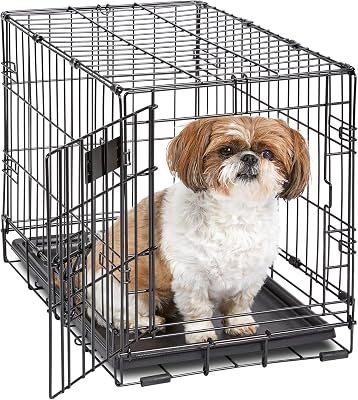
| MidWest Homes for Pets 22-Inch iCrate for Extra-Small… | MidWestHomesForPets | ★ 4.7 | 191.2k | Varies |
| rabbitgoo Dog Harness No Pull with 2 Leash Clips, Adj… | rabbitgoo | ★ 4.5 | 195.5k | Varies |
| rabbitgoo Dog Harness No Pull with 2 Leash Clips, Adj… | rabbitgoo | ★ 4.5 | 195.5k | Varies |
| rabbitgoo Dog Harness No Pull with 2 Leash Clips, Adj… | rabbitgoo | ★ 4.5 | 195.5k | Varies |
| Fresh Step Advanced Odor Shield Multi Cat Clumping Li… | FreshStep | ★ 4.6 | 140.7k | Varies |
Frequently Asked Questions
Do senior dogs really need special food?
Many do benefit from senior formulas designed for lower activity, joint support, and easy digestion. However, the best choice depends on your individual dog’s health, so a conversation with your veterinarian is the most reliable guide.
Should I reduce protein for my older dog?
Not usually. Healthy seniors need adequate high-quality protein to preserve muscle. Protein restriction is generally reserved for dogs with specific conditions like advanced kidney disease, and only under veterinary guidance.
How do I help my senior dog lose weight?
Feed a measured, calorie-controlled diet, limit treats, and provide gentle regular exercise. Track weight monthly and adjust as needed. Your vet can recommend a safe target and pace for weight loss.
My older dog has trouble chewing. What can I do?
Try softening dry food with warm water or switching to wet food. Smaller kibble can also help. Have your vet check for dental disease, which is a common and treatable cause of chewing difficulty.
When should I switch my dog to senior food?
There is no single right age, since it varies by breed and size. Watch for aging signs and discuss the timing with your veterinarian, who can assess your dog’s body condition and health.
Final Thoughts
A thoughtful senior dog diet is one of the kindest gifts you can give an aging companion. By prioritizing quality protein, joint support, calorie control, and hydration, and by adjusting for any health conditions with your vet’s help, you can keep your older dog comfortable, active, and thriving for as long as possible.