📅 Last updated:
⚡ Key Takeaways
As an Amazon Associate we earn from qualifying purchases at no extra cost to you.




- Proper portioning is one of the most important things you can do for your dog's long-term health.
- A tiny Chihuahua and a giant Mastiff have wildly different caloric needs, and even two dogs of the same breed can differ based on activity.
- Every commercial dog food includes a feeding guide on the packaging, usually organized by weight range.
- Most adult dogs do well with two meals a day, spaced morning and evening.
One of the most common questions new and experienced dog owners ask is how much to feed a dog. It sounds simple, but the right amount depends on a surprising number of factors: your dog’s weight, age, activity level, the calorie density of their food, and even their metabolism. Feed too little and your dog may lack energy or lose condition; feed too much and you risk obesity, which contributes to joint problems, diabetes, and a shorter lifespan. This guide walks you through how to calculate appropriate portions, read feeding charts, adjust for your individual dog, and recognize when to consult your veterinarian.
🛒 Best Price Today on Amazon
Prime members get fast, free shipping on everything above, plus member-only deals. New members get a 30-day free trial — cancel anytime.
📋 Table of Contents
- Why Portion Size Matters
- Factors That Determine How Much to Feed
- Reading the Feeding Chart on Your Dog’s Food
- How Many Meals Per Day?
- Using Body Condition to Adjust Portions
- Special Situations
- Wet Food, Dry Food, and Mixed Feeding
- When to Talk to Your Veterinarian
- Top-Rated Picks
- Frequently Asked Questions
- Conclusion
- Related Articles
Why Portion Size Matters
Proper portioning is one of the most important things you can do for your dog’s long-term health. Studies consistently show that dogs kept at a healthy weight live longer and suffer fewer chronic conditions than overweight dogs. Carrying extra pounds strains the heart, joints, and organs, and can worsen issues like arthritis and respiratory difficulty. On the other end, underfeeding can leave a dog malnourished, especially during growth or recovery. Getting the amount right keeps your dog energetic, comfortable, and thriving.
Factors That Determine How Much to Feed
See also: Best Rabbit Repellents for Vegetable Gardens • Clumping vs Crystal vs Pine Cat Litter: Which One Fits Your Cat and Your Home?
There is no single number that fits all dogs. A tiny Chihuahua and a giant Mastiff have wildly different caloric needs, and even two dogs of the same breed can differ based on activity. The main factors include your dog’s ideal adult weight, life stage, activity level, whether they’re spayed or neutered, and the specific food’s calorie content. Puppies need more calories per pound than adults because they’re growing rapidly, while seniors often need fewer as their metabolism slows.
Pregnant and nursing dogs, working dogs, and very active breeds also have elevated needs. Because of all these variables, feeding charts are a starting point, not a final answer. You’ll fine-tune based on how your individual dog looks and feels.
| Dog Weight | Approx. Daily Dry Food (Adult, Moderate Activity) | Suggested Meals Per Day |
|---|---|---|
| 5–15 lbs | 1/2 to 1 cup | 2 |
| 16–30 lbs | 1 to 1 3/4 cups | 2 |
| 31–50 lbs | 1 3/4 to 2 1/2 cups | 2 |
| 51–75 lbs | 2 1/2 to 3 1/2 cups | 2 |
| 76–100 lbs | 3 1/2 to 4 1/4 cups | 2 |
These figures are general guidelines for typical dry kibble. Always check your specific food’s label, since calorie density varies widely between brands and formulas.
Reading the Feeding Chart on Your Dog’s Food
Every commercial dog food includes a feeding guide on the packaging, usually organized by weight range. These charts are calculated from the food’s calorie content, so they’re more accurate than generic tables. Start with the recommended amount for your dog’s ideal weight, not necessarily their current weight if they’re over or underweight. Then divide the daily total into the number of meals you feed, typically two for adult dogs.
Remember that feeding charts assume your dog gets no extra calories. Treats, table scraps, and dental chews all add up, and they should make up no more than about ten percent of your dog’s daily intake. If you train with treats often, reduce the meal portion slightly to compensate.
How Many Meals Per Day?
Most adult dogs do well with two meals a day, spaced morning and evening. This keeps energy steady and reduces the risk of hunger-related behaviors. Puppies need more frequent feeding: three to four small meals daily while they’re young, tapering to two as they mature. Large and giant breeds prone to bloat benefit from smaller, more frequent meals and from resting before and after eating rather than exercising on a full stomach.
Staying active between meals supports a healthy metabolism. Regular walks with a comfortable quality leash and play sessions help your dog burn calories and maintain muscle, which in turn affects how much food they need.
Using Body Condition to Adjust Portions
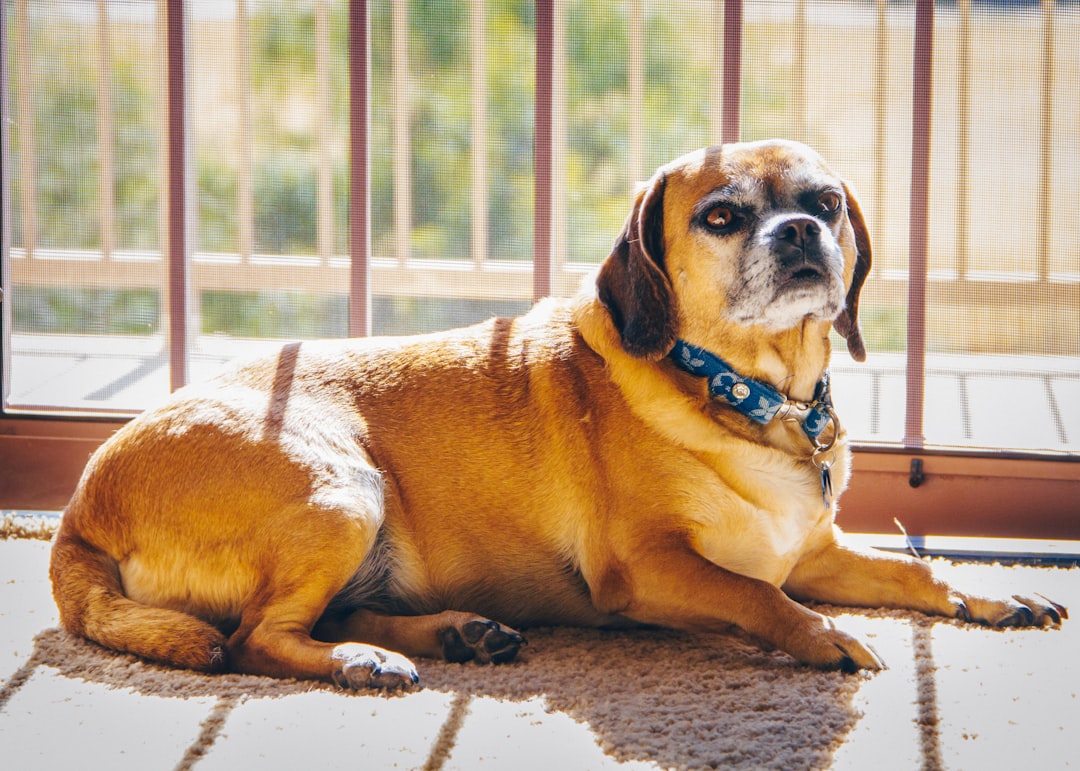
The most reliable feeding guide isn’t a chart, it’s your dog’s body. Veterinarians use a body condition score to assess whether a dog is at a healthy weight. You can do a simple version at home: run your hands along your dog’s sides and you should be able to feel the ribs easily without pressing hard, but they shouldn’t be visibly sticking out. Viewed from above, your dog should have a visible waist behind the ribs, and from the side, the belly should tuck up rather than hang down.
If you can’t feel the ribs, your dog is likely overweight and you should reduce portions and increase exercise. If the ribs and spine are sharply visible, your dog may need more food. Active play with engaging items from a selection of durable dog toys keeps your dog moving and helps maintain that healthy condition.
Special Situations
Certain life stages and conditions call for tailored feeding. Puppies need growth-formula food and careful portioning to avoid growing too fast, which can stress developing joints in large breeds. Senior dogs often need fewer calories and may benefit from foods formulated for aging joints and slower metabolism. Spayed and neutered dogs typically require slightly fewer calories than intact dogs. Dogs with medical conditions such as diabetes, kidney disease, or food allergies need veterinarian-guided diets and precise portions.
Wet Food, Dry Food, and Mixed Feeding
The type of food you feed affects portion size because wet and dry foods differ dramatically in calorie density and moisture. Dry kibble is calorie-dense, so portions look small, while canned food is mostly water and requires larger volumes to deliver the same calories. If you feed a combination of wet and dry, you’ll need to reduce each so the combined total matches your dog’s daily caloric needs rather than feeding full portions of both, which is an easy way to accidentally overfeed.
Always rely on the calorie content rather than the volume when comparing foods. Two cups of one brand may contain far more calories than two cups of another. The calorie figure, usually listed as kilocalories per cup or per can, is the most reliable basis for portioning. When you switch foods, recalculate portions rather than assuming the same number of cups applies, and transition gradually over a week to avoid digestive upset.
When to Talk to Your Veterinarian
If your dog is gaining or losing weight unexpectedly, has a poor appetite, or you’re simply unsure how much to feed, your veterinarian is the best resource. They can calculate your dog’s exact caloric needs, recommend an appropriate food, and check for any medical issues affecting weight. This is especially important for puppies, seniors, and dogs with health conditions. Any feeding plan in this article is general information; your vet can personalize it to your dog’s needs.
Top-Rated Picks



| Product | Brand | Rating | Reviews | Price |
|---|---|---|---|---|
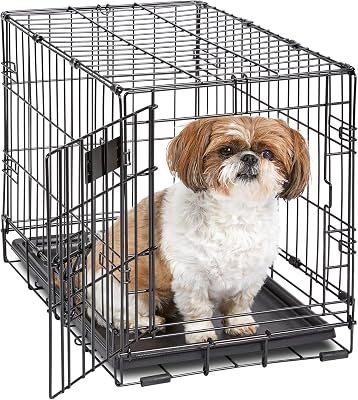
| MidWest Homes for Pets 22-Inch iCrate for Extra-Small… | MidWestHomesForPets | ★ 4.7 | 191.2k | Varies |
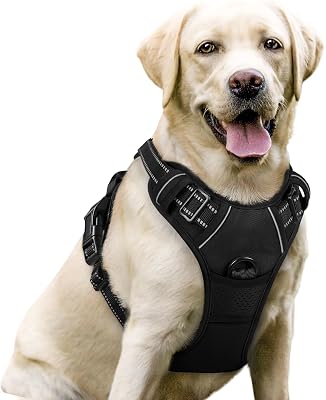
| rabbitgoo Dog Harness No Pull with 2 Leash Clips, Adj… | rabbitgoo | ★ 4.5 | 195.5k | Varies |
| rabbitgoo Dog Harness No Pull with 2 Leash Clips, Adj… | rabbitgoo | ★ 4.5 | 195.5k | Varies |
| rabbitgoo Dog Harness No Pull with 2 Leash Clips, Adj… | rabbitgoo | ★ 4.5 | 195.5k | Varies |
| Fresh Step Advanced Odor Shield Multi Cat Clumping Li… | FreshStep | ★ 4.6 | 140.7k | Varies |
Frequently Asked Questions
How do I know if I’m feeding my dog too much?
Check your dog’s body condition. If you can’t easily feel the ribs, there’s no visible waist, and the belly doesn’t tuck up, your dog is likely getting too much. Gradual weight gain over time is another clear sign to cut back.
Should I free-feed or use scheduled meals?
Scheduled meals are generally better for most dogs because they let you monitor intake and appetite, and they reduce the risk of overeating. Free-feeding can lead to weight gain and makes it harder to notice when your dog isn’t eating well.
Do treats count toward my dog’s daily food?
Yes. Treats should make up no more than about ten percent of daily calories. If you give a lot of treats, reduce the meal portions slightly so your dog doesn’t take in too many calories overall.
How often should I feed a puppy?
Young puppies typically need three to four small meals a day to support rapid growth and stable blood sugar. As they mature, you can gradually shift to two meals daily, usually by around six months of age.
My dog seems hungry all the time. Should I feed more?
Many dogs act hungry even when adequately fed. Before increasing portions, confirm your dog’s body condition is healthy. If appetite changes suddenly or your dog is losing weight despite eating, consult your veterinarian.
Conclusion
Knowing how much to feed your dog comes down to combining feeding chart guidance with attention to your individual dog’s body, activity, and life stage. Start with the recommended portion for your dog’s ideal weight, account for treats, divide into appropriate meals, and adjust based on body condition over time. Regular exercise supports a healthy weight just as much as the right portion does. When in doubt, your veterinarian can fine-tune a feeding plan that keeps your dog lean, energetic, and healthy for years to come.