📅 Last updated:
⚡ Key Takeaways
- Hair grows in cycles, and when individual hairs reach the end of their life, they fall out and are replaced by new growth.
- Many dogs experience seasonal shedding, sometimes called blowing their coat.
- What your dog eats has a direct effect on coat health.
- You can't stop a dog from shedding, but regular grooming dramatically reduces the amount of loose fur around your home.
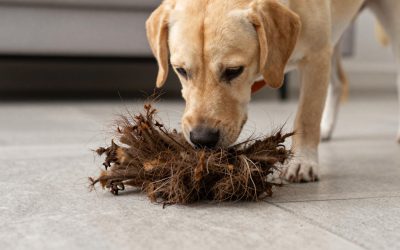
If you find tufts of fur on your furniture, clothes, and floors, you’ve probably wondered why is my dog shedding so much. Shedding is a completely natural process for most dogs, a way of releasing old or damaged hair to make room for new growth. But the amount varies enormously by breed, season, and health, and a sudden increase can sometimes point to an underlying issue. Understanding what’s normal for your dog, how to manage the fur, and when excessive shedding signals a problem helps you keep both your dog and your home healthier. This guide breaks down the causes and gives you practical strategies to keep shedding under control.
As an Amazon Associate we earn from qualifying purchases at no extra cost to you.


🛒 Best Price Today on Amazon
Prime members get fast, free shipping on everything above, plus member-only deals. New members get a 30-day free trial — cancel anytime.
📋 Table of Contents
- Shedding Is Usually Normal
- Seasonal Shedding Explained
- Diet and Nutrition’s Role
- The Power of Regular Grooming
- Stress and Shedding
- Coat Type and What to Expect
- When Excessive Shedding Signals a Problem
- When to See Your Veterinarian
- Top-Rated Picks
- Frequently Asked Questions
- Conclusion
- Related Articles
Shedding Is Usually Normal
Almost all dogs shed to some degree. Hair grows in cycles, and when individual hairs reach the end of their life, they fall out and are replaced by new growth. The amount and pattern of shedding depend heavily on breed and coat type. Some breeds, like Labradors, Huskies, and German Shepherds, are famously heavy shedders, while others, like Poodles and Bichons, shed very little. So before worrying, it helps to know what’s typical for your particular dog.
Seasonal Shedding Explained
See also: Best Rabbit Repellents for Vegetable Gardens • Clumping vs Crystal vs Pine Cat Litter: Which One Fits Your Cat and Your Home?
Many dogs experience seasonal shedding, sometimes called blowing their coat. As daylight and temperatures change, double-coated breeds in particular shed their dense undercoat to prepare for the new season. In spring, dogs often shed their thick winter coat to stay cooler, and in fall they may shed again to make way for a heavier winter coat. During these periods, shedding can seem dramatic, with large amounts of loose fur coming out over a few weeks. This is normal and temporary, though it does call for extra grooming.
| Shedding Pattern | Likely Cause | Typical Concern Level |
|---|---|---|
| Steady, year-round | Normal hair cycle | Low |
| Heavy in spring and fall | Seasonal coat change | Low |
| Sudden increase | Stress, diet, or health issue | Moderate |
| Patchy hair loss with bald spots | Allergies, parasites, or illness | High; see vet |
| With itching or skin changes | Skin condition or infection | High; see vet |
Diet and Nutrition’s Role
What your dog eats has a direct effect on coat health. A diet lacking in quality protein or essential fatty acids can lead to dry, brittle hair that breaks and falls out more easily. Omega-3 and omega-6 fatty acids, in particular, support a shiny, healthy coat and skin. Feeding a complete, balanced, high-quality dog food is one of the best things you can do to keep shedding within a normal range. If you suspect your dog’s diet is contributing to excessive shedding, talk with your veterinarian about appropriate food or supplements rather than guessing.
Hydration matters too. Dry skin can worsen shedding, and a well-hydrated dog tends to have healthier skin and coat. Encouraging your dog to drink, sometimes aided by a pet water fountain that entices drinking, supports skin and coat health from the inside out.
The Power of Regular Grooming
You can’t stop a dog from shedding, but regular grooming dramatically reduces the amount of loose fur around your home. Brushing removes dead hair before it lands on your couch and distributes natural skin oils that keep the coat healthy. The right brush depends on coat type: slicker brushes and deshedding tools work well for double coats, while bristle brushes suit short-haired breeds. During heavy seasonal shedding, daily brushing can make a remarkable difference.
Bathing occasionally with a dog-appropriate shampoo also helps loosen and remove dead hair, though over-bathing can dry the skin and worsen shedding. Pairing grooming with positive experiences, like a play session with a favorite item from a range of dog toys afterward, helps your dog associate brushing with good things and sit still more willingly.
Stress and Shedding
Just like people, dogs can shed more when they’re stressed or anxious. A move, a new pet, changes in routine, or a vet visit can all trigger a temporary spike in shedding. You may notice extra fur coming loose during stressful events. Reducing stress through consistent routines, plenty of exercise, and mental enrichment helps keep stress-related shedding in check. Regular walks on a comfortable leash and interactive play provide the physical and mental outlets that keep a dog calm and balanced.
Coat Type and What to Expect
Understanding your dog’s coat type sets realistic expectations and guides your grooming approach. Double-coated breeds, such as Huskies, Golden Retrievers, and German Shepherds, have a dense undercoat beneath a longer topcoat and are the heaviest seasonal shedders. They benefit most from undercoat rakes and deshedding tools during coat-blowing season. Short-haired single-coated breeds like Beagles and Boxers shed steadily but in smaller, less noticeable amounts, and a simple bristle brush keeps loose hair in check.
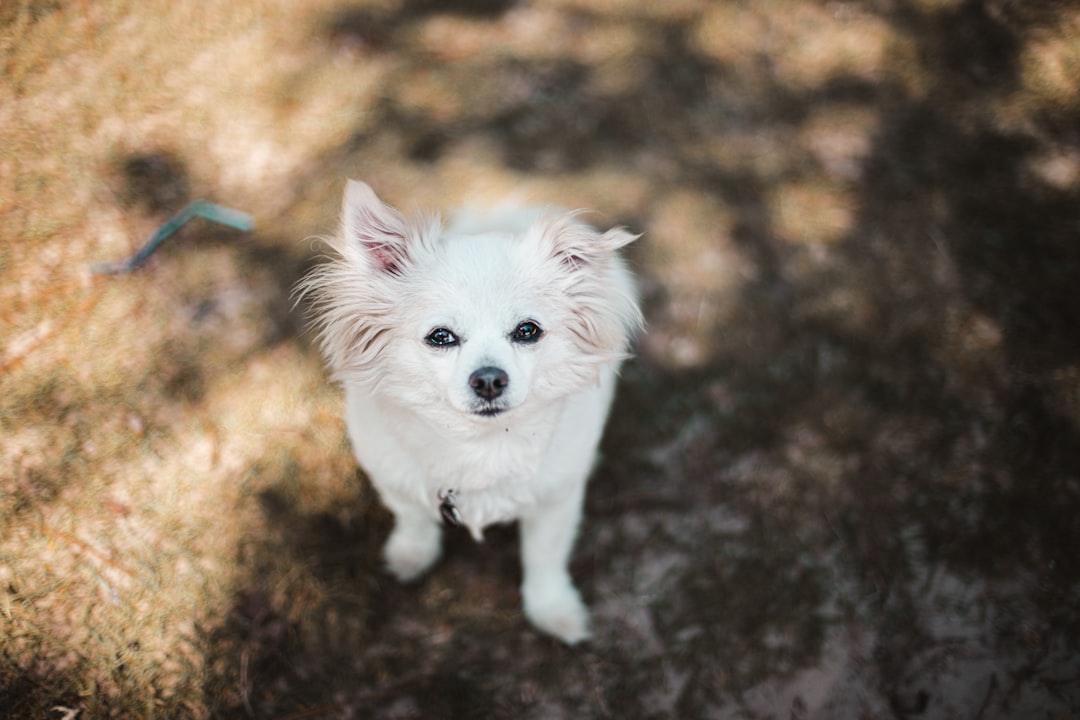
Long-haired breeds without a heavy undercoat, such as Yorkshire Terriers, shed relatively little but need frequent brushing to prevent mats and tangles. Curly-coated breeds like Poodles trap shed hair within the coat rather than releasing it, which is why they seem to shed so little, though that trapped hair still needs to be brushed out to avoid matting. Matching your tools and grooming frequency to your dog’s specific coat makes shedding far easier to manage and keeps the coat healthy.
When Excessive Shedding Signals a Problem
While most shedding is normal, certain signs warrant veterinary attention. Watch for bald patches, symmetrical hair loss, excessive scratching, red or irritated skin, scabs, a dull or greasy coat, or a sudden dramatic increase in shedding outside of seasonal changes. These can indicate allergies, parasites like fleas or mites, skin infections, hormonal imbalances such as thyroid disease, or nutritional deficiencies. Shedding accompanied by changes in appetite, energy, or behavior is especially worth investigating.
When to See Your Veterinarian
If your dog’s shedding seems abnormal for their breed and season, or comes with any of the warning signs above, schedule a veterinary visit. Your vet can examine the skin and coat, run tests to check for parasites, allergies, infections, or hormonal issues, and recommend appropriate treatment or diet changes. Catching an underlying condition early leads to better outcomes and a healthier coat. This article provides general information; your veterinarian is the right resource for diagnosing and addressing any abnormal shedding or skin concerns.
Top-Rated Picks




| Product | Brand | Rating | Reviews | Price |
|---|---|---|---|---|
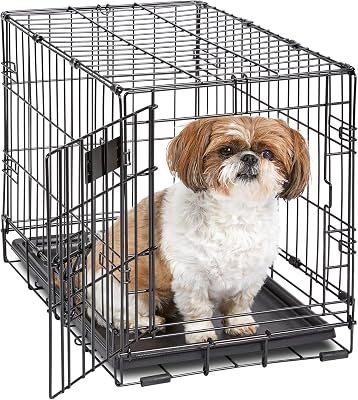
| MidWest Homes for Pets 22-Inch iCrate for Extra-Small… | MidWestHomesForPets | ★ 4.7 | 191.2k | Varies |
| rabbitgoo Dog Harness No Pull with 2 Leash Clips, Adj… | rabbitgoo | ★ 4.5 | 195.5k | Varies |
| rabbitgoo Dog Harness No Pull with 2 Leash Clips, Adj… | rabbitgoo | ★ 4.5 | 195.5k | Varies |
| rabbitgoo Dog Harness No Pull with 2 Leash Clips, Adj… | rabbitgoo | ★ 4.5 | 195.5k | Varies |
| Fresh Step Advanced Odor Shield Multi Cat Clumping Li… | FreshStep | ★ 4.6 | 140.7k | Varies |
Frequently Asked Questions
Is heavy shedding always a sign of a problem?
Not at all. Many breeds shed heavily as part of their normal hair cycle or during seasonal coat changes. Concern is warranted mainly when shedding is sudden, patchy, or paired with itching, bald spots, or skin changes.
Can diet really affect how much my dog sheds?
Yes. A diet lacking quality protein or essential fatty acids can lead to a dry, brittle coat that sheds more. A balanced, high-quality food and adequate hydration support a healthier coat and more normal shedding.
How can I reduce the amount of dog hair in my home?
Regular brushing is the most effective approach, removing loose hair before it spreads. Deshedding tools during seasonal changes, occasional baths, and a healthy diet all help keep shedding manageable.
Why is my dog suddenly shedding more than usual?
Sudden increases can stem from seasonal changes, stress, diet, or an underlying health issue. If the increase is dramatic, comes with skin problems, or isn’t explained by season, consult your veterinarian.
Do certain breeds really not shed?
Some breeds, like Poodles and Bichons, shed very little and are often called low-shedding. No dog is truly hypoallergenic, but these breeds release far less loose hair and dander than heavy shedders.
Conclusion
Shedding is a natural, healthy process for most dogs, influenced by breed, season, diet, and stress. Regular grooming, a high-quality diet, good hydration, and a calm routine go a long way toward keeping loose fur under control. The key is knowing what’s normal for your dog and staying alert to warning signs like bald patches, itching, or skin changes. If shedding seems excessive or abnormal, your veterinarian can identify any underlying cause and help restore a healthy, comfortable coat.
Related: Heatwave Pet Safety 2026: Keep Your Dog and Cat Cool This Summer