📅 Last updated:
⚡ Key Takeaways
- The most obvious difference is moisture content.
- Wet food costs more, spoils faster once opened, and offers little dental benefit.
- Many owners get the best of both worlds by combining wet and dry food.
- Whether you choose wet or dry, the quality of the food matters more than the format.
Standing in the pet food aisle, many owners face the same dilemma in the wet vs dry dog food debate. Both options can keep your dog healthy and happy, but they differ in nutrition, convenience, cost, and benefits. The truth is there is no single right answer for every dog; the best choice depends on your dog’s age, health, preferences, and your lifestyle. This guide compares wet and dry food side by side, weighs the pros and cons of each, and helps you decide which option, or which combination, is best for your four-legged friend.
As an Amazon Associate we earn from qualifying purchases at no extra cost to you.
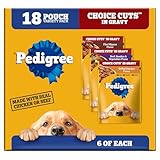


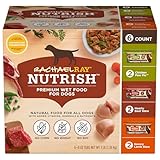


🛒 Best Price Today on Amazon
Prime members get fast, free shipping on everything above, plus member-only deals. New members get a 30-day free trial — cancel anytime.
📋 Table of Contents
- The Key Differences at a Glance
- Wet vs Dry Dog Food: Side-by-Side Comparison
- The Benefits of Wet Dog Food
- The Benefits of Dry Dog Food
- Potential Drawbacks to Consider
- Why Not Both? The Case for Mixed Feeding
- How to Read a Dog Food Label
- Portion Control Matters Either Way
- How to Choose the Right Option for Your Dog
- Talk to Your Veterinarian
- Top-Rated Picks
- Frequently Asked Questions
- The Bottom Line
- Related Articles
- Related Guides
The Key Differences at a Glance
The most obvious difference is moisture content. Wet food contains roughly 70 to 80 percent water, while dry kibble contains around 10 percent. This single factor influences hydration, calorie density, dental effects, shelf life, and cost. Understanding how these differences play out helps you match the food to your dog’s needs.
Wet vs Dry Dog Food: Side-by-Side Comparison
See also: Best Rabbit Repellents for Vegetable Gardens • Clumping vs Crystal vs Pine Cat Litter: Which One Fits Your Cat and Your Home?
| Factor | Wet Food | Dry Food |
|---|---|---|
| Moisture content | High (70 to 80%) | Low (around 10%) |
| Palatability | Very appealing, aromatic | Less aromatic, still tasty |
| Hydration support | Excellent | Relies on water bowl |
| Dental benefit | Minimal | Crunch may help reduce plaque |
| Cost per serving | Higher | More economical |
| Shelf life once opened | Short, needs refrigeration | Long, easy to store |
| Convenience | Less convenient | Very convenient |
| Calorie density | Lower per gram | Higher per gram |
The Benefits of Wet Dog Food
- Superior hydration. The high moisture content helps dogs who do not drink enough water, supporting kidney and urinary health.
- Highly palatable. The strong aroma and soft texture appeal to picky eaters, sick dogs, and seniors.
- Easy to eat. Ideal for dogs with dental issues, missing teeth, or sore gums.
- Satisfying on fewer calories. The water content adds volume, which can help with weight management when portioned correctly.
The Benefits of Dry Dog Food
- Convenient and easy to store. Kibble does not spoil quickly and is simple to measure and serve.
- Cost-effective. Dry food generally offers more servings per dollar.
- Dental support. The crunchy texture can help reduce plaque buildup, though it is not a substitute for dental care.
- Great for enrichment. Kibble works well in puzzle feeders and slow-feed bowls that engage your dog’s mind.
Potential Drawbacks to Consider
Wet food costs more, spoils faster once opened, and offers little dental benefit. It can also be messier and contribute to dental plaque if not paired with good oral care. Dry food, while convenient, provides minimal moisture, which is a concern for dogs who do not drink enough. Some dogs also find kibble less exciting. Knowing these trade-offs helps you choose with eyes open.
Why Not Both? The Case for Mixed Feeding
Many owners get the best of both worlds by combining wet and dry food. A common approach is to feed kibble as the base and add a spoonful of wet food as a tasty, moisture-rich topper. This boosts palatability and hydration while keeping costs manageable and retaining some dental benefit from the kibble. If you choose mixed feeding, be sure to account for the combined calories so you do not overfeed. Introduce any new food gradually over seven to ten days to avoid digestive upset.
How to Read a Dog Food Label
Whether you choose wet or dry, the quality of the food matters more than the format. Learning to read the label helps you make a confident choice. Start by looking for a statement of nutritional adequacy, which confirms the food is complete and balanced for your dog’s life stage. The ingredient list is ordered by weight, so the first few ingredients tell you what the food is mostly made of. A named protein source near the top is generally a good sign.
Keep in mind that wet and dry foods look very different on paper because of their moisture content. A wet food may list water or broth first simply because of its nature, which does not make it inferior. To compare nutrition fairly between wet and dry, you would need to look at the nutrients on a dry-matter basis, which removes the water from the equation. If label comparisons feel overwhelming, your veterinarian can help you identify quality options that fit your dog’s needs and your budget.
Portion Control Matters Either Way
No matter which food you choose, feeding the correct amount is essential for your dog’s health. Because dry food is more calorie-dense per gram than wet food, it is easy to overfeed kibble without realizing it, and free-feeding can quickly lead to weight gain. Wet food, while less calorie-dense by weight, still needs to be measured. Use the feeding guidelines on the package as a starting point, then adjust based on your dog’s body condition, activity level, and whether you also give treats. Measuring meals with a proper cup or kitchen scale, rather than eyeballing portions, is one of the simplest ways to keep your dog at a healthy weight.
How to Choose the Right Option for Your Dog
- Consider age and health. Seniors, dogs with dental problems, or those needing more hydration often do well with wet or mixed food.
- Factor in budget and convenience. Dry food is more economical and easier for busy households.
- Watch your dog’s preferences. A picky eater may eat more enthusiastically with wet food added.
- Mind hydration. If your dog does not drink much, wet food or a pet water fountain can help keep them hydrated.
- Check the label. Choose a complete and balanced food appropriate for your dog’s life stage, whether wet or dry.
Pairing good nutrition with regular exercise, daily walks on a reliable dog leash, and engaging dog toys rounds out a healthy lifestyle no matter which food you choose.
Talk to Your Veterinarian
Because dietary needs vary so much from dog to dog, your veterinarian is the best resource for choosing between wet, dry, or mixed feeding. This is especially important if your dog has a medical condition such as kidney disease, urinary issues, dental disease, or weight concerns, where the moisture content and calorie density of food can play a meaningful role. A quick conversation at your next visit can help you tailor the right plan for your individual dog.
Top-Rated Picks





| Product | Brand | Rating | Reviews | Price |
|---|---|---|---|---|
| MidWest Homes for Pets 22-Inch iCrate for Extra-Small… | MidWestHomesForPets | ★ 4.7 | 191.2k | Varies |
| rabbitgoo Dog Harness No Pull with 2 Leash Clips, Adj… | rabbitgoo | ★ 4.5 | 195.5k | Varies |
| rabbitgoo Dog Harness No Pull with 2 Leash Clips, Adj… | rabbitgoo | ★ 4.5 | 195.5k | Varies |
| rabbitgoo Dog Harness No Pull with 2 Leash Clips, Adj… | rabbitgoo | ★ 4.5 | 195.5k | Varies |
| Fresh Step Advanced Odor Shield Multi Cat Clumping Li… | FreshStep | ★ 4.6 | 140.7k | Varies |
Frequently Asked Questions
Is wet or dry food better for dogs?
Neither is universally better. Wet food offers superior hydration and palatability, while dry food is convenient, economical, and may help with dental health. The best choice depends on your dog’s age, health, and preferences.
Can I mix wet and dry dog food?
Yes, mixing is popular and effective. Using kibble as a base with a wet food topper combines convenience and affordability with extra moisture and flavor. Just be sure to count the total calories to avoid overfeeding.
Does dry food really clean a dog’s teeth?
The crunch of kibble can help reduce some plaque buildup, but it is not a replacement for tooth brushing, dental chews, or professional cleanings. Good dental care still requires a dedicated routine.
Is wet food better for senior dogs?
Often, yes. Wet food is easier to chew, more aromatic, and adds hydration, which benefits many seniors, especially those with dental issues or reduced appetite. Still, the right choice depends on the individual dog.
How do I switch my dog’s food safely?
Transition gradually over seven to ten days, slowly increasing the new food while decreasing the old. This helps prevent digestive upset. If your dog has stomach issues during the switch, slow the transition down.
The Bottom Line
In the wet versus dry dog food debate, the winner is whichever option, or combination, best suits your dog’s needs and your lifestyle. Wet food shines for hydration and palatability, dry food for convenience and cost, and mixed feeding offers a balanced middle ground. Focus on complete, balanced nutrition, keep your dog hydrated and active, and consult your veterinarian to make the most informed choice.