📅 Last updated:
⚡ Key Takeaways
- Unlike puppies, kittens rarely need extensive training to use a litter box.
- The litter box itself makes a big difference in success.
- Choose an unscented, low-dust option, since strong fragrances can deter sensitive noses and dust can irritate tiny lungs.
- Place the litter box in a quiet, low-traffic spot where your kitten feels safe but can still reach it easily.
Bringing home a new kitten is exciting, and figuring out how to litter train a kitten is usually one of the easiest parts of the journey. Cats have a strong natural instinct to bury their waste, which means most kittens take to a litter box with very little prompting. Your job is mainly to set the stage: provide the right box, the right litter, and the right location, then guide your kitten gently through the first few days. This guide covers everything from choosing supplies to troubleshooting accidents, so your kitten develops clean, reliable habits that last a lifetime.
As an Amazon Associate we earn from qualifying purchases at no extra cost to you.





🛒 Best Price Today on Amazon
Prime members get fast, free shipping on everything above, plus member-only deals. New members get a 30-day free trial — cancel anytime.
📋 Table of Contents
Why Litter Training Comes Naturally
Unlike puppies, kittens rarely need extensive training to use a litter box. In the wild, cats instinctively dig and cover their waste to hide their scent from predators. Kittens often learn the basics by watching their mother, and by the time they come home with you at eight to twelve weeks, the instinct is usually well developed. Your role is to make the litter box obvious, accessible, and appealing, then simply reinforce the behavior your kitten already wants to perform.
Choosing the Right Litter Box
See also: Best Rabbit Repellents for Vegetable Gardens • Clumping vs Crystal vs Pine Cat Litter: Which One Fits Your Cat and Your Home?
The litter box itself makes a big difference in success. For a small kitten, choose a box with low sides so they can climb in and out without struggle; you can upgrade to a taller box as they grow. Avoid covered boxes at first, since some kittens find them confining or trapping. The general rule for households is one box per cat plus one extra, placed in separate quiet locations.
Size matters too. The box should be at least one and a half times the length of your kitten so they have room to turn around and dig. As your kitten grows into an adult cat, plan to size up the box accordingly. Keeping a spare box during training reduces the chance of an accident if one box is being cleaned.
| Litter Type | Pros | Considerations |
|---|---|---|
| Clumping clay | Easy to scoop, good odor control | Avoid for very young kittens who may ingest it |
| Non-clumping clay | Inexpensive, safe for tiny kittens | Needs full changes more often |
| Natural (corn, wheat, paper) | Biodegradable, low dust | Varied texture acceptance |
| Crystal/silica | Excellent odor control | Some cats dislike the texture |
Picking a Kitten-Safe Litter
For kittens under about four months old, many veterinarians recommend a non-clumping or natural litter, because curious kittens sometimes taste their litter and clumping clay can cause blockages if swallowed. Choose an unscented, low-dust option, since strong fragrances can deter sensitive noses and dust can irritate tiny lungs. Once your kitten is older and past the mouthing stage, you can transition to a clumping litter if you prefer.
Whatever you choose, keep it consistent during training. Cats are creatures of habit, and switching litter types too often can confuse a kitten or make them reluctant to use the box.
Location and Setup
Place the litter box in a quiet, low-traffic spot where your kitten feels safe but can still reach it easily. Avoid noisy areas near appliances and keep the box well away from food and water bowls, since cats instinctively dislike eliminating near where they eat. If your home has multiple levels, provide a box on each floor during training so your kitten never has to travel far.
Fill the box with about two inches of litter; too little feels inadequate for digging, while too much can be wasteful and intimidating. Keep the box uncovered and visible during the first weeks so your kitten can find it without hesitation.
The First Few Days
When your kitten arrives, show them the box right away by gently placing them inside so they can sniff and explore. Repeat this after meals, after naps, and after play sessions, which are the times kittens are most likely to need it. If you see your kitten sniffing, crouching, or scratching the floor, calmly guide them to the box.
Praise gently and reward with a treat or soft words when your kitten uses the box correctly. Never punish accidents, scold, or rub your kitten’s nose in a mess; this only creates fear and can make the problem worse. Patience and positive reinforcement are far more effective. After active play sessions with a favorite toy from your collection of engaging pet toys, a quick trip to the box helps reinforce the routine.
Keeping the Box Clean
Cats are famously fastidious, and a dirty box is one of the top reasons kittens avoid using it. Scoop waste at least once or twice a day and completely change the litter and wash the box on a regular schedule. Use mild, unscented soap rather than harsh chemicals, which can leave odors that repel your kitten. A clean, fresh box is the single most reliable way to maintain good litter habits.
Hydration also supports healthy elimination. A kitten that drinks well is less prone to urinary issues, and many cats prefer running water, which is why some owners add a pet water fountain to encourage steady drinking and overall urinary health.
Helping a Shy or Nervous Kitten
Some kittens, especially those that are timid or recently rehomed, need extra reassurance before they reliably use the litter box. For the first few days, it can help to confine a nervous kitten to a single, quiet room with their box, bed, food, and water close together but not crowded. This smaller space makes the box easy to find and reduces the overwhelm of a large, unfamiliar home. As your kitten grows confident, gradually expand their access to the rest of the house.
Avoid startling a kitten while they’re using the box, since a frightening experience can create lasting avoidance. Keep loud appliances, vacuum cleaners, and rambunctious children or other pets away from the litter area during training. Quiet praise and a small treat after each successful trip build your kitten’s confidence and strengthen the habit. With a calm environment and gentle encouragement, even the shyest kitten usually settles into reliable routines within a week or two.
Troubleshooting Accidents
If your kitten has accidents, resist frustration and look for a cause. Common culprits include a box that’s too dirty, a location that feels unsafe, the wrong litter texture, or simply a kitten that’s too young to reach the box in time. Clean accident spots thoroughly with an enzymatic cleaner to remove odors that might draw your kitten back. If accidents persist despite a clean, well-placed box, or if your kitten strains, cries, or has blood in the urine, contact your veterinarian, as these can signal a urinary tract issue or other medical concern.
Top-Rated Picks


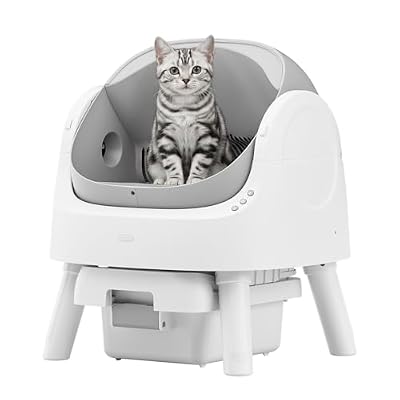


| Product | Brand | Rating | Reviews | Price |
|---|---|---|---|---|
| Neakasa M1 Plus Open-Top Self-Cleaning Cat Litter Box… | Neakasa | ★ 3.9 | 3.7k | Varies |
| Self Cleaning Litter Box,Open Top Automatic Litter Bo… | Paruuntys | ★ 4.0 | 2.3k | Varies |
| Self Cleaning Cat Litter Box, Automatic Litter Box fo… | teweoa | ★ 4.2 | 1.5k | Varies |
| UPFAS Automatic Cat Litter Box Self Cleaning – APP Co… | UPFAS | ★ 4.1 | 1.1k | Varies |
| Mintakawa Automatic Cat Litter Box Self Cleaning – AP… | Mintakawa | ★ 4.1 | 1k | Varies |
Frequently Asked Questions
How long does it take to litter train a kitten?
Most kittens learn within a few days because the instinct is already strong. Some grasp it almost immediately, while others need a week of gentle reminders after meals and naps.
How many litter boxes do I need for one kitten?
The general rule is one box per cat plus one extra. Even for a single kitten, having two boxes in different locations reduces accidents and gives your kitten options.
What if my kitten won’t use the litter box?
Check that the box is clean, low-sided, and in a quiet spot, and that the litter is unscented and the right texture. If your kitten still refuses or shows signs of straining or discomfort, consult your veterinarian to rule out a medical problem.
Is clumping litter safe for kittens?
For very young kittens who may taste their litter, non-clumping or natural litter is safer, since clumping clay can cause blockages if swallowed. Once your kitten is older and no longer mouthing the litter, clumping options are fine.
How often should I clean the litter box?
Scoop at least once or twice daily and do a full litter change and box wash regularly. Cats are very particular about cleanliness, and a dirty box is a leading cause of avoidance.
Conclusion
Litter training a kitten is largely a matter of setting up the right conditions and letting nature take its course. Offer a clean, accessible, kitten-safe box in a quiet location, reinforce good habits with gentle praise, and never resort to punishment. With consistency and patience, your kitten will form reliable bathroom habits in no time. If accidents persist or your kitten shows signs of discomfort, reach out to your veterinarian for guidance and peace of mind.