📅 Last updated:
⚡ Key Takeaways
- Surveys of dog owners consistently find that grass-eating is extremely common, and most dogs that do it show no signs of illness before or after.
- Researchers and veterinarians have proposed several explanations, and the truth likely involves more than one.
- The most widespread belief is that dogs eat grass to make themselves throw up when they feel nauseous.
- A dog left alone in a yard with little to do may graze simply to pass the time.
If you’ve ever watched your dog munching on the lawn and wondered why does my dog eat grass, you’re far from alone. Grass-eating is one of the most common and puzzling canine behaviors, and it has prompted countless theories over the years. The good news is that for most dogs, nibbling grass is a normal, generally harmless habit. Still, understanding the possible reasons behind it, and knowing when it might signal a problem, helps you respond appropriately. This guide explores the leading explanations, separates myth from fact, and explains when grass-eating warrants a call to your veterinarian.
As an Amazon Associate we earn from qualifying purchases at no extra cost to you.




🛒 Best Price Today on Amazon
Prime members get fast, free shipping on everything above, plus member-only deals. New members get a 30-day free trial — cancel anytime.
📋 Table of Contents
Is Eating Grass Normal?
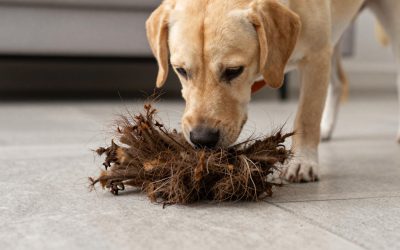
For the vast majority of dogs, yes. Surveys of dog owners consistently find that grass-eating is extremely common, and most dogs that do it show no signs of illness before or after. It appears to be a natural behavior rooted in canine instinct rather than a sign that something is wrong. Wild relatives of dogs, including wolves and foxes, also consume plant material, so the tendency may be deeply ingrained. In most cases, the occasional grazing session is nothing to worry about.
The Leading Theories
See also: Best Rabbit Repellents for Vegetable Gardens • Clumping vs Crystal vs Pine Cat Litter: Which One Fits Your Cat and Your Home?
Researchers and veterinarians have proposed several explanations, and the truth likely involves more than one. One popular idea is that dogs eat grass to settle an upset stomach or induce vomiting, though studies suggest most grass-eating dogs aren’t sick beforehand and don’t actually vomit afterward. Another theory points to nutrition: dogs may seek out grass for fiber or to fill a gap in their diet, especially if their food lacks roughage.
Many experts believe the simplest explanation is often the right one: dogs eat grass because they enjoy the taste and texture, or because they’re bored and looking for something to do. Puppies and young dogs in particular explore the world with their mouths, and a fresh patch of grass is an inviting target.
| Possible Reason | Likelihood | What It Suggests |
|---|---|---|
| Taste and enjoyment | Common | Normal behavior; no concern |
| Boredom or under-stimulation | Common | More exercise and enrichment needed |
| Seeking fiber/roughage | Possible | Review diet quality and fiber |
| Settling an upset stomach | Less common | Monitor for nausea or vomiting |
| Compulsive or excessive eating | Uncommon | Possible underlying issue; see vet |
The Upset Stomach Myth
The most widespread belief is that dogs eat grass to make themselves throw up when they feel nauseous. While some dogs do vomit after eating grass, research suggests this is the exception rather than the rule. In most studies, fewer than one in four grass-eating dogs vomited afterward, and the majority showed no signs of illness beforehand. So while a sick dog might occasionally turn to grass, it’s not accurate to assume that every grazing session means your dog has an upset stomach.
Boredom and the Need for Enrichment
One of the most underrated reasons dogs eat grass is plain boredom. A dog left alone in a yard with little to do may graze simply to pass the time. Dogs are intelligent, social animals that need both physical exercise and mental stimulation. When those needs go unmet, they often invent their own entertainment, and grass-eating can be part of that.
Increasing daily activity often reduces idle grazing. Regular walks on a comfortable well-made leash give your dog exercise and new sights to explore, while interactive play with stimulating items from a range of engaging dog toys keeps their mind busy. A tired, mentally satisfied dog is far less likely to graze out of boredom.
Diet and Nutrition Considerations
Some dogs may seek out grass because they crave fiber or because their diet lacks variety. If your dog grazes frequently and also shows digestive irregularity, it may be worth reviewing their food with your veterinarian. A balanced, high-quality diet with adequate fiber can sometimes reduce a dog’s interest in grass. Adding vet-approved sources of fiber or switching to a formula better suited to your dog’s needs occasionally curbs the habit, though many well-fed dogs still graze simply because they like to.
What Science Actually Says
Researchers who have studied plant-eating in dogs have reached some reassuring conclusions. Surveys of large numbers of dog owners found that grass-eating is nearly universal, that the vast majority of dogs appear completely healthy when they do it, and that very few show signs of illness beforehand or vomit afterward. This undercuts the popular assumption that grazing is primarily a self-medicating behavior to relieve nausea.
Interestingly, younger dogs tend to eat grass more often than older dogs, and they’re less likely to look sick beforehand or vomit afterward. This pattern fits the idea that grass-eating is partly a normal, instinctive, even playful behavior rather than a symptom. The leading scientific view today is that plant-eating is an ancestral trait inherited from wild canids, possibly once useful for purging intestinal parasites, that persists in modern dogs even though they no longer need it for that purpose. In other words, your dog probably eats grass simply because dogs have always done so.
When Grass-Eating Is a Concern
While usually harmless, grass-eating can occasionally point to a problem. Be cautious if your dog suddenly starts eating grass much more than usual, eats it frantically, or pairs grazing with vomiting, diarrhea, lethargy, or loss of appetite. These combinations may indicate gastrointestinal upset or another underlying condition that deserves veterinary attention.
There are also safety risks to consider. Lawns treated with pesticides, herbicides, or fertilizers can expose your dog to toxic chemicals, and some ornamental and wild plants are poisonous to dogs. Grass can also harbor parasites or their eggs. For these reasons, it’s wise to keep your dog away from treated lawns and to know which plants in your area are dangerous.
How to Manage the Behavior
If your dog’s grass-eating is occasional and they’re otherwise healthy, you generally don’t need to intervene. If you’d like to reduce it, focus on prevention and redirection. Make sure your dog gets plenty of exercise and enrichment, supervise outdoor time, and gently redirect your dog to a toy or game when they start grazing. Ensure any grass your dog can access is free of chemicals and toxic plants. If the habit becomes excessive or compulsive, consult your veterinarian to rule out medical or behavioral causes.
Top-Rated Picks





| Product | Brand | Rating | Reviews | Price |
|---|---|---|---|---|
| MidWest Homes for Pets 22-Inch iCrate for Extra-Small… | MidWestHomesForPets | ★ 4.7 | 191.2k | Varies |
| rabbitgoo Dog Harness No Pull with 2 Leash Clips, Adj… | rabbitgoo | ★ 4.5 | 195.5k | Varies |
| rabbitgoo Dog Harness No Pull with 2 Leash Clips, Adj… | rabbitgoo | ★ 4.5 | 195.5k | Varies |
| rabbitgoo Dog Harness No Pull with 2 Leash Clips, Adj… | rabbitgoo | ★ 4.5 | 195.5k | Varies |
| Fresh Step Advanced Odor Shield Multi Cat Clumping Li… | FreshStep | ★ 4.6 | 140.7k | Varies |
Frequently Asked Questions
Is it bad for my dog to eat grass?
Usually not. Most dogs that eat grass are healthy and suffer no ill effects. The main risks come from chemically treated lawns, toxic plants, and parasites, so make sure the grass your dog accesses is safe.
Does eating grass mean my dog is sick?
Not necessarily. Despite the popular belief, most grass-eating dogs aren’t sick beforehand and don’t vomit afterward. However, if grazing comes with vomiting, diarrhea, or lethargy, it’s worth a veterinary check.
Should I stop my dog from eating grass?
If it’s occasional and your dog is healthy, you don’t need to stop it. If you want to limit it, increase exercise and enrichment, supervise outdoor time, and ensure the grass is free of chemicals and dangerous plants.
Could a diet change reduce grass-eating?
Possibly. Some dogs graze less when their diet provides adequate fiber and variety. If you suspect a nutritional cause, talk with your veterinarian about your dog’s food before making changes.
When should I worry about grass-eating?
Be concerned if the behavior becomes sudden, frantic, or excessive, or if it’s accompanied by vomiting, diarrhea, appetite loss, or low energy. These signs warrant a conversation with your veterinarian.
Conclusion
For most dogs, eating grass is a normal, harmless behavior driven by taste, instinct, or boredom rather than illness. While the upset-stomach theory is popular, evidence suggests it’s not the main reason most dogs graze. Keep your dog active and engaged, ensure any accessible grass is free of chemicals and toxic plants, and watch for sudden changes paired with other symptoms. If grass-eating ever becomes excessive or worrying, your veterinarian can help determine whether there’s an underlying cause that needs attention.