📅 Last updated:
⚡ Key Takeaways
- Dogs bark for many reasons, and identifying the motivation is essential because the solution depends on the cause.
- Many barking problems stem from pent-up energy.
- Because barking has so many different motivations, the same technique will not work for every dog.
- Short, regular training sessions do more than teach specific cues; they build a calmer, more responsive dog overall.
A barking dog can test the patience of even the most devoted owner, and learning how to stop a dog from barking excessively starts with understanding why it happens in the first place. Barking is natural communication, but when it becomes constant, it disrupts your household, strains neighbor relations, and signals that your dog has an unmet need. The good news is that excessive barking is almost always manageable, and to stop dog barking for good you need patience, consistency, and the right approach. This guide explains the common causes of nuisance barking and gives you practical, humane strategies to bring the volume down for good.
As an Amazon Associate we earn from qualifying purchases at no extra cost to you.


🛒 Best Price Today on Amazon
Prime members get fast, free shipping on everything above, plus member-only deals. New members get a 30-day free trial — cancel anytime.
📋 Table of Contents
- First, Understand Why Dogs Bark
- Common Causes of Excessive Barking
- Proven Strategies to Reduce Barking
- Matching the Solution to the Cause
- The Role of Consistent Training Routines
- Addressing Separation-Related Barking
- What Not to Do
- Be Patient and Consistent
- When to Consult a Professional
- Top-Rated Picks
- Frequently Asked Questions
- The Bottom Line
- Related Articles
First, Understand Why Dogs Bark
Dogs bark for many reasons, and identifying the motivation is essential because the solution depends on the cause. A dog barking from boredom needs a very different response than one barking from fear. Before you can reduce barking, become a detective and figure out what your dog is trying to communicate. Punishing barking without addressing the underlying reason rarely works and can make anxiety worse.
Common Causes of Excessive Barking
See also: Best Rabbit Repellents for Vegetable Gardens • Clumping vs Crystal vs Pine Cat Litter: Which One Fits Your Cat and Your Home?
| Cause | Typical Triggers | What It Looks Like |
|---|---|---|
| Boredom | Lack of exercise or stimulation | Repetitive barking when alone |
| Attention-seeking | Wanting food, play, or interaction | Barking directly at you |
| Alarm or territorial | People, noises, or animals passing by | Barking at windows or doors |
| Fear or anxiety | Loud noises, strangers, being alone | Barking with tense body language |
| Excitement | Greetings, walks, play | High-pitched, energetic barking |
| Separation distress | Being left alone | Persistent barking after you leave |
Proven Strategies to Reduce Barking
1. Meet Your Dog’s Exercise Needs
A tired dog is a quiet dog. Many barking problems stem from pent-up energy. Daily walks, runs, and play sessions burn off excess energy and reduce the urge to bark out of boredom. A reliable dog leash makes consistent walks easier, and longer outings often translate to calmer behavior at home.
2. Provide Mental Stimulation
Physical exercise alone is not always enough. Puzzle feeders, training games, and an engaging dog toy challenge your dog’s mind and keep boredom barking at bay, especially when you are away.
3. Avoid Reinforcing the Barking
Many owners accidentally reward barking by giving attention, even negative attention, when the dog barks. If your dog barks for attention, the most effective response is to ignore the barking completely and reward quiet behavior instead.
4. Teach the “Quiet” Cue
Train your dog to understand a calm “quiet” command:
- Wait for your dog to bark, then calmly say “quiet.”
- The moment your dog pauses, even briefly, praise and reward.
- Gradually extend the quiet period required before the reward.
- Practice consistently so the cue becomes reliable.
5. Manage the Environment
If your dog barks at things outside, reduce their exposure. Close curtains, use frosted window film, or move your dog to a quieter room. Removing the trigger lowers the urge to bark.
6. Desensitize to Triggers
For dogs that bark at specific sounds or sights, gradual desensitization helps. Expose your dog to the trigger at a low intensity while rewarding calm behavior, slowly increasing the intensity over time as your dog stays relaxed.
Matching the Solution to the Cause
Because barking has so many different motivations, the same technique will not work for every dog. Aligning your approach with the underlying reason is what turns frustration into progress. The table below pairs common barking types with the most effective strategies.
| Barking Type | Best Approach |
|---|---|
| Boredom | More exercise, puzzle toys, and mental enrichment |
| Attention-seeking | Ignore barking, reward calm and quiet behavior |
| Territorial or alarm | Limit visual triggers, teach a “quiet” cue |
| Fear or anxiety | Desensitization, counterconditioning, professional help |
| Excitement | Stay calm, reward settled behavior before greetings |
| Separation distress | Gradual alone-time training, enrichment, possible vet support |
If you are unsure which category fits your dog, spend a few days simply observing and noting when barking happens. The pattern usually points to the cause, which in turn points to the right solution.
The Role of Consistent Training Routines
Short, regular training sessions do more than teach specific cues; they build a calmer, more responsive dog overall. Just five to ten minutes of focused practice a couple of times a day, working on basic obedience and the quiet cue, gives your dog mental stimulation and strengthens your communication. A dog that understands and trusts your cues is far easier to redirect when barking starts. Reward-based training also deepens your bond, making your dog more inclined to look to you for guidance rather than reacting to every trigger. Over time, these small daily investments compound into noticeably better behavior.
Addressing Separation-Related Barking
Barking that happens only when you leave may indicate separation distress, which requires a gentle, patient approach. Practice short departures and returns to build your dog’s confidence that you always come back. Provide engaging toys, a fresh source of water such as a pet water fountain, and a comfortable space, and avoid making arrivals and departures emotionally charged. Severe separation anxiety can be genuinely distressing for a dog and may need professional guidance, so do not hesitate to seek help if your dog panics when alone.
What Not to Do
- Do not yell. Shouting can sound like you are barking along, reinforcing the behavior.
- Avoid punishment-based devices that cause fear or pain, since they can worsen anxiety and damage trust.
- Do not reward quiet inconsistently, as mixed signals slow progress.
- Never ignore barking rooted in fear or distress; address the emotion rather than just the noise.
Be Patient and Consistent
Changing a barking habit takes time, and every member of the household must respond the same way. Consistency is the key that turns occasional success into a lasting change. Celebrate small improvements and keep training sessions short, positive, and frequent. With steady effort, most dogs learn to bark only when appropriate and to settle quietly the rest of the time.
When to Consult a Professional
If excessive barking persists despite your best efforts, or if it stems from significant fear, anxiety, or aggression, it is wise to seek help. Start with your veterinarian, since underlying pain or medical conditions can sometimes cause behavioral changes. Your vet may also refer you to a certified trainer or veterinary behaviorist who can create a tailored plan. There is no shame in getting expert support; it often leads to faster, kinder results for both you and your dog.
Top-Rated Picks




| Product | Brand | Rating | Reviews | Price |
|---|---|---|---|---|
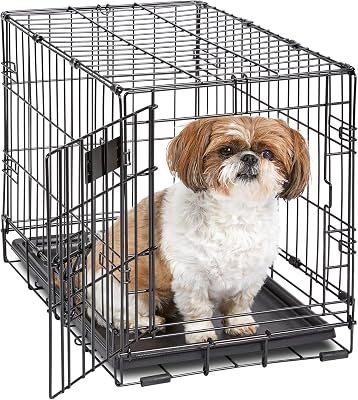
| MidWest Homes for Pets 22-Inch iCrate for Extra-Small… | MidWestHomesForPets | ★ 4.7 | 191.2k | Varies |
| rabbitgoo Dog Harness No Pull with 2 Leash Clips, Adj… | rabbitgoo | ★ 4.5 | 195.5k | Varies |
| rabbitgoo Dog Harness No Pull with 2 Leash Clips, Adj… | rabbitgoo | ★ 4.5 | 195.5k | Varies |
| rabbitgoo Dog Harness No Pull with 2 Leash Clips, Adj… | rabbitgoo | ★ 4.5 | 195.5k | Varies |
| Fresh Step Advanced Odor Shield Multi Cat Clumping Li… | FreshStep | ★ 4.6 | 140.7k | Varies |
Frequently Asked Questions
Why does my dog bark so much for no reason?
There is always a reason, even if it is not obvious. Common causes include boredom, attention-seeking, fear, territorial instincts, or excitement. Observing when and where the barking happens helps you identify and address the true cause.
How do I stop my dog from barking at the door?
Manage the environment by limiting visual triggers, and train an alternative behavior such as going to a designated spot when the doorbell rings. Reward calm, quiet responses consistently to replace the barking habit.
Will ignoring my dog’s barking make it stop?
For attention-seeking barking, ignoring it and rewarding quiet behavior is often effective. However, ignoring barking caused by fear or distress will not help and may worsen the problem, so first identify the underlying cause.
Are anti-bark collars a good idea?
Punishment-based collars can increase fear and anxiety and may worsen behavior or harm your bond. Positive, reward-based training is safer and more effective. If you are considering any device, discuss it with your veterinarian first.
How long does it take to stop excessive barking?
It varies based on the cause, your dog’s history, and your consistency. Some dogs improve within weeks, while deeply ingrained or anxiety-driven barking takes longer. Patience and a steady routine produce the best results.
The Bottom Line
Excessive barking is a solvable problem when you address the root cause rather than just the noise. By meeting your dog’s exercise and mental needs, avoiding accidental rewards, teaching a quiet cue, and staying consistent, you can dramatically reduce nuisance barking. For stubborn or anxiety-driven cases, your veterinarian and a qualified trainer can help you and your dog find lasting peace and quiet.