📅 Last updated:
⚡ Key Takeaways
- Plaque begins forming on your dog's teeth within hours of eating, and if it isn't removed, it hardens into tartar that can only be removed by a professional cleaning.
- You'll need a few key items before you start.
- The secret to stress-free brushing is patience.
- Once your dog accepts the brush, technique matters.
Dental care is one of the most overlooked parts of canine health, yet learning how to brush a dog’s teeth can add years of comfort and well-being to your pet’s life. By the age of three, most dogs show some degree of dental disease, which can lead to pain, tooth loss, bad breath, and even damage to internal organs if bacteria enter the bloodstream. The good news is that regular tooth brushing at home is the single most effective way to prevent these problems. This guide walks you through choosing the right tools, introducing brushing gradually, and building a routine your dog will tolerate, even enjoy.
As an Amazon Associate we earn from qualifying purchases at no extra cost to you.




🛒 Best Price Today on Amazon
Prime members get fast, free shipping on everything above, plus member-only deals. New members get a 30-day free trial — cancel anytime.
📋 Table of Contents
- Why Brushing Your Dog’s Teeth Matters
- Gathering the Right Supplies
- Introducing Brushing Gradually
- Proper Brushing Technique
- Building a Routine
- Supporting Dental Health Beyond Brushing
- Recognizing Signs of Dental Disease
- When to See Your Veterinarian
- Top-Rated Picks
- Frequently Asked Questions
- Conclusion
- Related Articles
- Related Guides
Why Brushing Your Dog’s Teeth Matters
Plaque begins forming on your dog’s teeth within hours of eating, and if it isn’t removed, it hardens into tartar that can only be removed by a professional cleaning. Tartar buildup leads to gingivitis, gum recession, and periodontal disease, which is painful and can cause teeth to loosen and fall out. Beyond the mouth, the bacteria associated with dental disease can travel through the bloodstream and affect the heart, liver, and kidneys. Regular brushing disrupts plaque before it hardens, protecting both your dog’s mouth and overall health.
Gathering the Right Supplies
See also: Best Rabbit Repellents for Vegetable Gardens • Clumping vs Crystal vs Pine Cat Litter: Which One Fits Your Cat and Your Home?
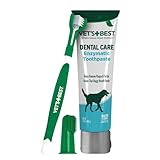
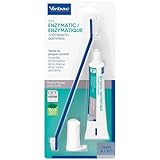
You’ll need a few key items before you start. Use a toothbrush designed for dogs, which has softer bristles and an angled or elongated handle, or a finger brush that slips over your fingertip for better control with small dogs. Most importantly, use toothpaste formulated specifically for dogs. Never use human toothpaste, which often contains xylitol and fluoride that are toxic to dogs. Canine toothpastes come in flavors like poultry or beef that make the experience pleasant for your pet.
| Supply | Why It Matters |
|---|---|
| Dog toothbrush or finger brush | Soft bristles and design suited to a dog’s mouth |
| Dog-specific toothpaste | Safe to swallow; human paste is toxic to dogs |
| Treats for reward | Builds positive associations with brushing |
| Patience and a quiet space | Reduces stress and helps your dog relax |
| Dental chews (supplement) | Support oral health between brushings |
Introducing Brushing Gradually
The secret to stress-free brushing is patience. Don’t try to brush every tooth on day one. Start by letting your dog lick a small amount of the toothpaste off your finger so they associate it with a tasty reward. Over the next few days, gently lift your dog’s lip and touch their teeth and gums with your finger, praising and treating throughout. Only once your dog is comfortable with this should you introduce the toothbrush.
When you bring in the brush, let your dog sniff and lick it first. Then apply a little toothpaste and gently brush a few teeth, building up over days and weeks until you can brush the whole mouth. Keeping sessions short and positive, and ending before your dog gets frustrated, makes a huge difference in long-term cooperation.
Proper Brushing Technique
Once your dog accepts the brush, technique matters. Lift the lip and hold the brush at about a forty-five degree angle to the gum line, where plaque accumulates most. Use gentle, circular motions, focusing on the outer surfaces of the teeth, which your dog’s tongue doesn’t naturally clean. Pay special attention to the large back teeth and the canines, where tartar tends to build up fastest.
You don’t need to scrub the inner surfaces as thoroughly, since the tongue helps keep those cleaner, and reaching them can be uncomfortable for your dog. Aim for a calm, steady pace, and reward your dog generously when you finish. The whole process should take just a couple of minutes once your dog is used to it.
Building a Routine
Consistency is what makes brushing effective. Ideally, brush your dog’s teeth daily, since plaque starts forming again within twenty-four hours. If daily isn’t realistic, aim for at least three times a week to meaningfully reduce buildup. Pick a regular time, such as after an evening walk or play session, so it becomes a predictable part of your dog’s day.
Pairing brushing with another enjoyable routine helps. For example, a relaxed evening walk on a comfortable leash followed by brushing and a reward creates a positive sequence your dog looks forward to. Some owners also use a favorite chew toy from a selection of dog toys as part of the wind-down, helping the whole experience feel rewarding.
Supporting Dental Health Beyond Brushing
Brushing is the gold standard, but other measures support it. Veterinary-approved dental chews and treats can help reduce plaque between brushings, and certain dental diets are formulated to mechanically clean teeth as your dog eats. Look for products carrying the seal of a recognized veterinary dental council, which indicates they’ve been shown to help control plaque or tartar. Fresh water access also supports oral health, and a clean pet water fountain encourages your dog to drink regularly, which helps rinse the mouth. Remember that these supplements complement, but don’t replace, brushing and professional care.
Recognizing Signs of Dental Disease
Knowing what healthy and unhealthy mouths look like helps you catch problems early. Healthy gums are pink and firm, the teeth are clean and white, and your dog’s breath, while never minty, shouldn’t be foul. Warning signs of dental trouble include strong or worsening bad breath, yellow-brown tartar buildup along the gum line, red, swollen, or bleeding gums, and visible plaque.
Behavioral changes can also signal mouth pain. A dog with dental disease may chew on one side, drop food, paw at its face, drool excessively, or become reluctant to eat hard kibble or play with chew toys. Some dogs become withdrawn or irritable when their mouths hurt. Because dogs instinctively hide pain, these subtle clues are easy to miss, which is why both regular at-home inspection during brushing and routine veterinary exams are so important. Lifting your dog’s lips to look at the teeth and gums once a week takes only seconds and can alert you to problems long before they become serious.
When to See Your Veterinarian
Even with diligent home care, dogs need professional dental checkups. Your veterinarian can assess your dog’s mouth, perform professional cleanings under anesthesia to remove tartar below the gum line, and catch problems early. Schedule a vet visit if you notice persistent bad breath, red or bleeding gums, broken or loose teeth, reluctance to eat, or pawing at the mouth. These can signal dental disease or pain that needs treatment. This article offers general guidance; your veterinarian should evaluate any dental concerns and advise on a cleaning schedule.
Top-Rated Picks




| Product | Brand | Rating | Reviews | Price |
|---|---|---|---|---|
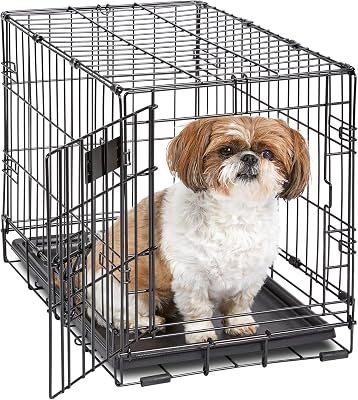
| MidWest Homes for Pets 22-Inch iCrate for Extra-Small… | MidWestHomesForPets | ★ 4.7 | 191.2k | Varies |
| rabbitgoo Dog Harness No Pull with 2 Leash Clips, Adj… | rabbitgoo | ★ 4.5 | 195.5k | Varies |
| rabbitgoo Dog Harness No Pull with 2 Leash Clips, Adj… | rabbitgoo | ★ 4.5 | 195.5k | Varies |
| rabbitgoo Dog Harness No Pull with 2 Leash Clips, Adj… | rabbitgoo | ★ 4.5 | 195.5k | Varies |
| Fresh Step Advanced Odor Shield Multi Cat Clumping Li… | FreshStep | ★ 4.6 | 140.7k | Varies |
Frequently Asked Questions
How often should I brush my dog’s teeth?
Daily is ideal because plaque re-forms within a day. If that’s not feasible, brushing at least three times a week still significantly reduces tartar buildup and supports oral health.
Can I use human toothpaste on my dog?
No. Human toothpaste often contains xylitol and fluoride, which are toxic to dogs. Always use a toothpaste made specifically for dogs, which is safe to swallow and comes in dog-friendly flavors.
What if my dog hates having their teeth brushed?
Go slower. Build up gradually over days or weeks, starting with letting them lick toothpaste, then touching their teeth, then introducing the brush. Keep sessions short, positive, and rewarding. If your dog remains very resistant, ask your vet for tips.
Do dental chews replace brushing?
No. Dental chews and treats can help reduce plaque between brushings, but they don’t clean as thoroughly as brushing. Use them as a supplement, not a substitute, and choose products with a veterinary dental seal.
At what age should I start brushing my dog’s teeth?
You can start as early as puppyhood, which helps your dog accept the routine for life. It’s never too late to begin, though older dogs may need a slower, gentler introduction and a vet check first.
Conclusion
Brushing your dog’s teeth is a small daily habit with a big payoff: fresher breath, healthier gums, and protection against painful dental disease and its broader health effects. Use dog-safe tools, introduce the process gradually with plenty of rewards, and aim for a consistent routine. Supplement brushing with dental chews and regular veterinary checkups. With patience and consistency, you’ll keep your dog’s smile healthy for years. Always consult your veterinarian if you notice signs of dental trouble or have concerns about your dog’s oral health.
Related: Heatwave Pet Safety 2026: Keep Your Dog and Cat Cool This Summer