📅 Last updated:
Finding a reliable GPS smart collar with cellular tracking can mean the difference between recovering a lost pet within minutes and spending hours searching dark neighborhoods. Unlike simple Bluetooth tags that rely on nearby smartphones, cellular-enabled GPS collars use satellite signals to pinpoint your pet’s coordinates and integrated SIM cards to push those location updates directly to your smartphone across vast distances. However, the market is flooded with devices boasting shiny specs that fall flat when tested in real-world environments like dense foliage, suburban coverage gaps, or rainy backyards.
Choosing the right collar isn’t just about picking the highest-rated app in the store; it requires evaluating cellular network protocols, understanding battery trade-offs, and matching device dimensions to your pet’s physical stature. In 2026, modern pet trackers rely heavily on low-power cellular networks, but performance varies drastically depending on your local coverage and your dog’s daily routines. This decision guide breaks down the core hardware factors, hidden subscription dynamics, and practical sizing requirements so you can invest in a cellular smart collar that actually protects your pet when it counts.
As an Amazon Associate we earn from qualifying purchases at no extra cost to you.

📋 Table of Contents
- Understanding Cellular Network Technologies
- Balancing Location Refresh Rates Against Battery Longevity
- Geofencing, Wi-Fi Safe Zones, and False Escapes
- Hardware Weight, Sizing, and Attachment Style
- Durability, Water Resistance, and Physical Build
- Evaluating Subscription Plans and Total Cost of Ownership
- When to Spend More and When a Basic Tracker Is Enough
- Related Guides
- FAQ
- Related Guides
Understanding Cellular Network Technologies
Cellular GPS smart collars do not communicate over traditional voice or high-speed phone networks. Instead, they utilize specialized low-power wide-area networks, primarily LTE-M (Cat-M1) or NB-IoT (Narrowband IoT). LTE-M offers higher data bandwidth and handles movement smoothly, making it ideal for tracking an escaped dog running across town. NB-IoT penetrates buildings and dense obstacles better and consumes less power, but location updates can lag slightly during fast motion. Before buying any collar, check which underlying carrier network powers the device’s built-in SIM, and verify that carrier has robust signal strength in your neighborhood, local dog parks, and favorite hiking spots.
Balancing Location Refresh Rates Against Battery Longevity
See also: 7 Best Refillable Frozen Dog Treat Toys for Long-Lasting Licks • Best Dog Door Mat for Muddy Paws: Sizing, Materials and Picks by Entryway
Battery specs listed on product boxes can be deceptive because they assume default, low-frequency pinging intervals. A collar that advertises a two-week battery life might only update your dog’s position every two hours while connected to home Wi-Fi. The moment your pet escapes and you trigger live tracking mode—which requests satellite updates every two to five seconds—the cellular antenna draws maximum power, rapidly draining the battery in three to six hours. Look for smart collars that offer customizable refresh rates, allowing you to lengthen update intervals when your pet is stationary and conserve energy for genuine escape emergencies.
Geofencing, Wi-Fi Safe Zones, and False Escapes
To prevent constant battery drain, effective cellular collars use home Wi-Fi networks and Bluetooth beacons as local anchors. When the collar detects your home Wi-Fi router, it puts the battery-hungry GPS and cellular modules to sleep. The moment the pet moves out of range of Wi-Fi, the collar activates its cellular radio and checks its location against your virtual geofence. When setting up geofences, avoid drawing tight boundaries directly around your property line. Minor signal fluctuations caused by atmospheric conditions or metal roofs can make a stationary dog inside your house appear to be 30 feet outside in the yard, triggering annoying false escape notifications.
Hardware Weight, Sizing, and Attachment Style
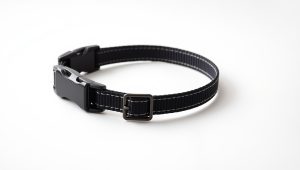
A tracker is useless if it is too cumbersome for your pet to wear comfortably or so heavy that it hangs down and bounces against their neck during runs. Most cellular smart collars weigh between 25 and 50 grams, making them suitable for dogs over 10 to 15 pounds, but often too heavy or bulky for cats and toy dog breeds. You must also decide between an integrated smart collar, where the module is built permanently into a nylon or synthetic strap, and a clip-on tracker module that attaches to your dog’s existing collar or harness. Integrated options offer cleaner aesthetics and better water sealing, while clip-on units allow you to swap straps easily when wet or dirty.
Durability, Water Resistance, and Physical Build
Dogs subject gear to extreme wear and tear, from muddy creek beds to thick brush and rough play. Ensure the smart collar carries an ingress protection rating of at least IP67, meaning dust-tight and submersible up to 1 meter for 30 minutes, or IP68 for deeper submersion. Pay close attention to the charging port design: magnetic pogo-pin chargers and sealed induction charging pads eliminate rubber port covers that rot, snap off, or leak water over time. Additionally, check the housing material; reinforced polycarbonate or aircraft-grade aluminum casings resist impact and scratching far better than cheap plastic.
Evaluating Subscription Plans and Total Cost of Ownership
Buying the collar hardware is only half the financial equation. Because cellular smart collars transmit data across mobile networks, they require a recurring monthly or annual subscription fee. Subscription tiers often vary depending on feature access, such as cloud storage for historical walk routes, multi-user app access, or extended warranty coverage. When comparing costs, look past the initial hardware price tag and calculate the total two-year cost, factoring in activation fees and monthly rates. Paying annually or bi-annually upfront usually offers a significant discount over month-to-month plans, but test the device thoroughly during its initial return window before committing long-term.
When to Spend More and When a Basic Tracker Is Enough
If you live in a rural area surrounded by thick woods, own a known escape artist, or regularly go off-grid hiking, spending top dollar on a premium cellular GPS collar with rapid live-tracking intervals and high-capacity battery modules is essential. Conversely, if you own a small dog that rarely leaves a fully fenced suburban yard and spends most of their day indoors, an expensive cellular collar with high monthly fees might be overkill. In those low-risk situations, a simple Bluetooth tag or a standard safe-zone monitor may provide sufficient peace of mind without the recurring subscription burden.
Related Guides
If you are ready to compare specific models, check out our roundup of the best GPS smart collars with cellular tracking to see how leading devices perform in real-world range tests. If your primary goal is monitoring exercise levels and daily health metrics rather than location security, explore our review of the best pet activity monitors for calorie tracking.
FAQ
Do cellular GPS collars work everywhere?
No, cellular GPS collars require both a clear line of sight to satellite networks to calculate coordinates and active cellular tower coverage to send that location to your phone. If your dog enters a deep cellar, metallic building, or remote wilderness area with zero cell service, the collar cannot transmit live updates until it reconnects to a signal.
Can I use my existing mobile phone plan for the collar?
Generally no, because pet collar manufacturers partner with network providers to use customized IoT SIM cards integrated directly into the hardware. You pay the subscription directly to the collar manufacturer through their app, rather than adding a line to your personal cell phone bill.
How often do I need to charge a cellular smart collar?
Charging frequency ranges from every two days to once a month depending on battery size, Wi-Fi availability, and update settings. If your dog stays near home Wi-Fi, the battery lasts significantly longer than if the pet spends all day outside relying exclusively on cellular pings.
Will a cellular smart collar work for small dogs or cats?
Most cellular smart collars are designed for animals weighing at least 10 to 12 pounds due to the weight of the cellular module and battery housing. Attachment to smaller pets can cause neck strain or interfere with normal mobility, so always verify manufacturer weight guidelines before purchasing.