📅 Last updated:
Fresh, refrigerated cat food has gained massive popularity among pet owners seeking alternatives to heavily processed dry kibble and ultra-high-heat canned diets. Cooked gently at low temperatures to preserve natural nutrients and moisture, fresh diets offer high biological value and increased hydration for feline health. However, shifting from shelf-stable foods to fresh, perishable options introduces a completely distinct set of considerations regarding nutrition, cold-chain management, storage constraints, and daily feeding routines.
Selecting the best fresh option requires cutting through marketing buzzwords like “human-grade” and “gourmet” to focus on strict biological alignment and practical home management. In 2026, evaluating refrigerated cat food comes down to evaluating real nutritional requirements, cold-chain shelf life, packaging formats, and cost-per-feed realities rather than flash advertising. Understanding these core parameters ensures your cat receives safe, balanced nutrition that fits seamlessly into your daily routine.
As an Amazon Associate we earn from qualifying purchases at no extra cost to you.
📋 Table of Contents
- Nutritional Completeness: Beyond the Marketing Terminology
- Understanding Cold-Chain Limits and Home Storage Space
- Comparing Packaging Formats: Rolls, Tubs, and Pouches
- Managing Palatability and Temperature Sensitivity
- Safe Transitioning and Mealtime Handling Rules
- When Spending More on Refrigerated Food Is Worth It
- Related Guides
- FAQ
- Related Guides
Nutritional Completeness: Beyond the Marketing Terminology
Obligate carnivores require a diet rich in animal protein, moderate in fat, and minimal in carbohydrates. When inspecting refrigerated cat foods, your first priority is ensuring the primary ingredient is a clearly named animal protein, such as chicken, turkey, beef, or salmon, rather than generic animal meal or broad meat by-products. Cats lack the metabolic pathways to efficiently digest heavy carbohydrate fillers; look for formulas where carbohydrate sources like sweet potatoes, peas, or tapioca remain well under 10 percent of the overall dry-matter content.
Crucially, check the nutritional adequacy statement on the label. The food must state that it is formulated to meet the nutritional levels established by the Association of American Feed Control Officials (AAFCO) for your cat’s specific life stage—either “Growth,” “Adult Maintenance,” or “All Life Stages.” Fresh diets must contain adequate essential nutrients that can degrade during improper processing, specifically taurine (an essential amino acid for feline cardiac and vision health), arachidonic acid, and preformed Vitamin A. Never rely on toppers or complementary fresh mixers as a primary diet unless explicitly labeled as nutritionally complete.
Understanding Cold-Chain Limits and Home Storage Space
See also: Washable Kitten Bed With Removable Cover: 7 Easy-Wash Picks • Cat House for Outdoor Cats: Insulated Shelters and Straw Bedding
Refrigerated pet food relies on continuous cold storage to prevent bacterial growth, as it generally lacks chemical preservatives or artificial stabilizers. Before committing to a brand, evaluate your available refrigerator and freezer space. Most unopened refrigerated products have a total shelf life ranging from 2 to 4 weeks in the main refrigerator compartment, though many brands offer blast-frozen options that extend storage up to 6 to 12 months in a deep freezer.
Once opened, fresh cat food deteriorates rapidly. Most manufacturer guidelines mandate using the opened portion within 3 to 7 days, assuming your refrigerator maintains a consistent temperature at or below 40°F (4°C). If you purchase multi-serving rolls or large tubs, you must calculate whether your cat can consume the package before it spoils. For single-cat households, buying oversized containers often leads to wasted food and higher overall costs despite lower upfront unit pricing.
Comparing Packaging Formats: Rolls, Tubs, and Pouches
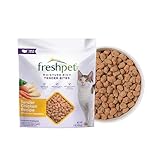
Refrigerated cat food comes in three primary packaging styles, each balancing cost, convenience, and freshness differently:
- Chub Rolls: Typically the most economical option per ounce. Meat is packed into plastic casing rolls that require you to slice individual daily portions. While cost-effective, rolls require diligent handling, clean slicing tools, and transfer to airtight glass or plastic containers once the outer casing is cut open.
- Resealable Tubs: Plastic tubs offer clean, easy storage with snap-on lids. They simplify portioning with a spoon and protect food from drying out in the fridge. However, repeated opening exposes the internal food to air, accelerating oxidation and potential spoilage toward the end of the tub.
- Single-Serve Pouches: Pre-portioned plastic pouches provide maximum convenience and minimal oxygen exposure. They eliminate slicing and measuring, making them ideal for multi-pet households or pet sitters. The drawback is a significantly higher price per pound and increased plastic packaging waste per meal.
Managing Palatability and Temperature Sensitivity
Cats possess thermal receptors on their tongues designed to detect prey temperature, naturally preferring food near 98°F to 100°F. Cold food served straight from the refrigerator dulls aroma, alters texture, and frequently leads to outright rejection or digestive regurgitation. To maximize palatability without compromising safety, never microwave fresh food in sealed plastic containers or blast it on high heat, which destroys sensitive vitamins and creates hot spots.
Instead, take out the meal portion 15 to 20 minutes before feeding to let it naturally reach room temperature. Alternatively, place the portion in a sealed silicone bag or container and submerge it in a bowl of warm water for 5 minutes. Gently stirring warm water or low-sodium bone broth directly into the fresh food enhances the aroma and adds beneficial moisture, encouraging hesitant cats to eat immediately.
Safe Transitioning and Mealtime Handling Rules
Switching a cat from kibble or canned food to fresh refrigerated food requires a slow transition to avoid stomach upset, diarrhea, or vomiting. Feline gut microbiomes need time to adjust to raw or gently cooked proteins and altered fat levels. Spend 7 to 10 days gradually shifting the ratio: start with 25 percent fresh food mixed with 75 percent current food for three days, move to a 50/50 split for three days, then 75 percent fresh for three days before feeding 100 percent fresh food.
Handling safety is equally critical during daily feeding. Because refrigerated foods lack strong preservatives, uneaten fresh food should not sit out in the bowl at room temperature for longer than 30 to 45 minutes. Any food left in the bowl after this window should be discarded to prevent bacterial proliferation. Wash feeding bowls daily with hot, soapy water, using stainless steel or ceramic dishes rather than plastic, which harbors micro-scratches that trap bacteria.
When Spending More on Refrigerated Food Is Worth It
While refrigerated cat food carries a higher daily feeding cost than standard dry kibble, specific health and biological scenarios justify the investment:
- Chronic Urinary or Renal Issues: Fresh diets naturally deliver high moisture content (often 70% to 80%), promoting lower urinary tract health, diluting urine, and supporting kidney function.
- Picky Eaters and Senior Cats: Gently cooked fresh meats offer intense natural aromas and soft textures, appealing to older cats with dental pain, decreased sense of smell, or reduced appetites.
- Food Sensitivities and GI Distress: High-end refrigerated brands often feature limited-ingredient, single-protein formulas without cheap grains, corn, soy, or synthetic binders (such as carrageenan), aiding cats prone to inflammatory bowel disease or skin allergies.
Related Guides
If you are exploring fresh feeding options or bulk meal preparation for your household, check out our comprehensive guide to the best refrigerated cat food options on the market. For multi-pet owners preparing custom diets from scratch, we also evaluated the best heavy duty meat grinders for raw dog food alongside the best commercial vacuum sealers for bulk pet food to ensure proper food safety and shelf-life extension.
FAQ
How long can refrigerated cat food sit out in the bowl?
Refrigerated cat food should not sit at room temperature for longer than 30 to 45 minutes. Because fresh options lack high levels of artificial preservatives, moist meat breeds bacteria rapidly once exposed to warm air. Any uneaten portion left after this timeframe should be safely discarded.
Can you freeze opened rolls or pouches of fresh cat food?
Yes, you can freeze unconsumed portions of fresh cat food prior to its refrigerated expiration date. Pre-portion the food into individual daily servings using airtight freezer bags or silicone containers to simplify thawing. Always thaw individual portions inside the refrigerator overnight rather than on the counter to maintain food safety.
Why won’t my cat eat fresh food directly from the refrigerator?
Cats naturally prefer food near body temperature and often reject cold food directly from the fridge because low temperatures suppress enticing meat aromas. Cold food can also cause stomach discomfort or regurgitation in sensitive cats. Warm the portion by placing its container in a warm water bath for a few minutes before serving.
Is refrigerated cat food suitable for growing kittens?
Refrigerated cat food is suitable for kittens only if the label explicitly indicates it meets AAFCO standards for “Growth” or “All Life Stages.” Adult maintenance formulas lack the caloric density, elevated protein levels, and specific mineral balances required for proper bone and muscular growth in young kittens.