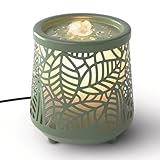
- Top Pick: Kalona Tabletop Waterfall Fountain 3 Bowls with LED Light, Soothing Water Flow Sound, Zen Meditation Decor for Home and Office, Relaxation Water Fountains Indoor (23113)
- Best Value: Homedics Tabletop Water Fountain, 3 Tier Indoor Waterfall Fountain
- Premium Choice: Homedics Indoor Relaxation Fountain with Light & Natural Sound (Green)
📅 Last updated:
Buying a water fountain looks simple until you compare pump noise, basin capacity, cleaning access, cord placement, and the amount of floor or tabletop space each model needs. Many shoppers choose based on appearance alone, then discover that a fountain splashes onto nearby furniture, requires weekly refills, or produces more motor hum than relaxing water sound.
This guide explains what to look for in water fountains before you buy. The right choice depends less on the number of tiers or the color of the finish and more on where the fountain will sit, how often you are willing to maintain it, and whether you want gentle ambience or a noticeable water feature. Use the measurements and price ranges below as practical buying targets, while checking the manufacturer’s current specifications for any individual model.
As an Amazon Associate we earn from qualifying purchases at no extra cost to you.



📋 Table of Contents
Decide These 3 Things First
- Where will it go? A tabletop fountain usually needs about 8 to 14 inches of width and depth, plus several inches of clearance around the splash zone. Freestanding indoor or outdoor models may need 18 to 30 inches of floor space.
- What kind of sound do you want? A shallow, gentle cascade creates subtle white noise. A taller multi-tier design usually produces a more noticeable trickle, but it can also splash more and require more frequent refilling.
- How much maintenance is acceptable? Small fountains may need water added every two to five days, particularly in dry rooms. Plan on cleaning the basin and pump approximately every two to four weeks to control mineral buildup and algae.
These decisions narrow the field before you compare decorative details. They also help prevent the most common mistake: buying a fountain that looks attractive online but is too large, too loud, or too demanding for the intended location.
Size and Water Capacity
See also: How to Remove Litter Box Odor Buildup (2026): Step-by-Step • How to Fix a Jammed Automatic Feeder (2026): Step-by-Step
Measure the surface first, including the distance from the fountain to walls, lamps, books, and electronics. A compact tabletop fountain is generally 6 to 12 inches wide, 6 to 12 inches deep, and 7 to 14 inches tall. These models work well on nightstands, desks, entry tables, and kitchen counters. Allow at least 2 to 4 inches of open space on each side and behind the unit for filling and wiping up stray droplets.
Medium indoor fountains commonly measure 12 to 20 inches wide and 12 to 20 inches deep, with heights of roughly 18 to 30 inches. They suit a console, plant stand, or larger side table. Freestanding decorative fountains may be 20 to 30 inches wide and 30 to 45 inches tall. Before choosing one, confirm that the floor can support its filled weight. A fountain holding 1 gallon of water adds about 8.3 pounds before accounting for the body, stones, and pump.
Water capacity matters as much as exterior dimensions. A small fountain may hold 0.3 to 0.8 gallon, while a larger floor model may hold 1 to 3 gallons. More capacity usually means fewer refills, but it also increases weight and cleaning time. Never place a heavy filled fountain on a shelf unless the shelf’s load rating comfortably exceeds the total filled weight.
Material and Finish
Common materials include resin, ceramic, metal, glass, concrete, and stone composite. Resin is popular because it is lightweight, relatively affordable, and easy to mold into realistic stone or wood textures. It is a practical choice for tabletop models, but thin resin can feel less substantial and may scratch if handled roughly.
Ceramic and glass offer a smoother, more decorative appearance. Ceramic is typically heavier and can chip if bumped. Glass shows the water clearly but reveals mineral deposits quickly and may not be suitable in busy homes with pets or children. Metal accents can look refined, though untreated or poorly protected metal may discolor with constant moisture.
For outdoor placement, look for a finish described as weather-resistant and a pump rated for outdoor use. “Stone look” does not necessarily mean natural stone; many freestanding fountains use molded resin or fiberglass. That is not a defect, but buyers should expect a lighter product and verify whether it must be protected from freezing temperatures.
Construction, Basin Design, and Pump Access
Inspect how the water moves through the fountain. A broad upper bowl and deep lower basin are generally more forgiving than narrow channels, which can run dry quickly. Look for a lower reservoir that covers the pump while leaving enough room to remove the pump for cleaning. A removable cover or access panel is a significant convenience.
Check whether the pump has adjustable flow control. A useful adjustment range lets you reduce splashing in a small room or increase the flow when the water sound is too faint. The pump should sit securely on suction feet or a stable base rather than rattling against the reservoir.
Look for a power cord of at least 5 to 6 feet for tabletop use, with the cord exit positioned so the fountain can sit flush against a wall. Outdoor models need a properly rated cord and a weather-protected outlet. Avoid placing any fountain where the plug, power strip, or extension connection can be splashed.
Lights are another construction detail. Integrated LEDs can add ambience, but confirm whether they are replaceable, built into the pump, or permanently sealed into the body. A light that cannot be serviced may shorten the useful life of the decorative feature even if the pump continues working.
Comfort and Performance
The best fountain is not necessarily the one with the most water movement. For a bedroom or office, prioritize a steady, low-volume flow and a pump designed for quiet operation. Manufacturers do not always use consistent sound measurements, so be cautious with claims such as “whisper quiet” unless a decibel rating and testing conditions are provided.
As a practical guide, a small fountain with a 1 to 4 watt pump is usually adequate for a compact tabletop cascade. Medium indoor units may use approximately 4 to 10 watts. Larger outdoor fountains can require 10 to 30 watts or more, depending on height and flow. Lower wattage reduces energy use but does not automatically guarantee silence; pump design, water level, and placement also affect noise.
Consider the sound of falling water separately from motor noise. A fountain with a 6- to 10-inch drop may provide a soft trickle, while a taller 12- to 20-inch cascade tends to be more audible. Read reviews for recurring comments about buzzing, splashing, and difficult flow adjustment. A fountain should not need to run at maximum flow to produce a pleasant sound.
Price Tiers: What You Get for the Money
Budget tabletop fountains typically cost about $20 to $40. They often use resin or lightweight plastic, have a small reservoir, and include a basic pump and sometimes an LED. Examples in this range include compact three-tier designs priced around $23 to $30. They are suitable for testing whether you enjoy fountain maintenance before investing more.
Midrange tabletop fountains usually cost $40 to $90. This tier may offer a heavier body, more convincing finishes, better basin access, adjustable flow, and improved lighting. A three-bowl waterfall fountain priced near $47 is representative of the category, although included features and construction vary.
Freestanding decorative fountains commonly cost $90 to $180 for resin or stone-look designs. Models around $100 may provide a taller visual feature and a larger reservoir, but buyers should still check whether the pump, light, and outdoor protection are included. Premium natural stone, metal, custom, or large outdoor pieces can exceed $200 and may involve higher delivery costs.
Do not compare prices without comparing what is included. A fountain may require separate decorative stones, a replacement pump, a timer, or a weather cover. If the unit uses a replaceable pump, budget approximately $15 to $40 for a future replacement depending on size and brand.
Warranty and Replacement Parts
Look for at least a 90-day return window and a one-year limited warranty on the pump or complete fountain. Some products cover the electrical pump but exclude cosmetic damage, mineral buildup, misuse, freezing, or water damage caused by improper placement. Read those exclusions before assuming the warranty covers normal outdoor wear.
Replacement parts are often more valuable than a longer warranty. Confirm that the manufacturer sells compatible pumps, LED components, tubing, and adapters. A standard replacement pump with matching voltage and flow specifications can keep a fountain useful for years. Keep the original receipt, model number, and pump information in a safe place.
Delivery, Assembly, and Placement
Small tabletop models generally require only a few minutes of assembly: position the pump, connect tubing, add stones if supplied, fill the reservoir, and plug it in. Larger fountains may require 15 to 45 minutes of assembly and two people for safe handling. Check the package weight rather than the empty product weight when planning delivery.
For outdoor fountains, confirm whether the unit arrives in one piece or several sections. A fountain weighing 40 to 80 pounds may be manageable for two adults, while heavier stone or concrete models may require special delivery. Use a level, stable surface; even a slight tilt can cause water to collect on one side and increase splashing.
Place indoor fountains on a waterproof tray or mat, especially on wood furniture. Keep at least 3 feet from sensitive electronics and avoid direct sunlight, which can accelerate algae growth and evaporation. Outdoor fountains should be protected from freezing conditions unless the manufacturer specifically approves year-round use.
Spec Checklist
| Spec | Budget | Mid | Premium |
|---|---|---|---|
| Typical price | $20–$40 | $40–$90 | $90–$250+ |
| Typical size | 6–12 in. wide; 7–14 in. tall | 10–20 in. wide; 12–30 in. tall | 18–30 in. wide; 24–48 in. tall |
| Water capacity | 0.3–0.8 gal. | 0.7–1.5 gal. | 1–3 gal. |
| Pump power | 1–4 watts | 4–10 watts | 10–30+ watts |
| Best material | Resin or plastic | Thicker resin, ceramic, or mixed materials | Stone composite, ceramic, metal, or premium resin |
| Warranty target | 90 days–1 year | 1 year | 1–3 years |
Red Flags
- No stated dimensions or capacity: You cannot judge fit, refill frequency, or filled weight without them.
- Vague electrical information: Look for voltage, wattage, indoor or outdoor rating, and cord length.
- No pump-access instructions: Difficult access makes routine cleaning unnecessarily frustrating.
- Reviews mentioning frequent refills: This may indicate a shallow reservoir, excessive splash, or high evaporation.
- Unstable tiers or loose tubing: These can create uneven flow, rattling, or leaks.
- Outdoor claims without freeze guidance: Water trapped inside can crack a fountain when temperatures drop.
- Permanent lights with no replacement information: A failed LED may require replacing the entire unit.
FAQ
How often should a water fountain be cleaned?
Clean a tabletop fountain every two to four weeks under normal use, and more often if you see slime, cloudiness, or mineral deposits. Unplug the unit, drain it, remove the pump, and clean the basin and pump intake according to the instructions. Use distilled water if hard-water deposits build up quickly.
Are indoor water fountains expensive to run?
Most tabletop models use about 1 to 10 watts, so their electricity use is generally modest. Running a 5-watt fountain continuously uses about 3.6 kilowatt-hours per month. Your actual cost depends on your local electricity rate and whether you use a timer.
What size fountain is best for a bedroom?
A fountain about 7 to 14 inches tall with a 0.3- to 0.8-gallon reservoir is usually easier to place and maintain in a bedroom. Choose adjustable flow and a stable base, and avoid positioning it directly beside the bed if even gentle water sounds could disturb your sleep.
Can a water fountain stay outside all year?
Only if the manufacturer approves year-round outdoor use and provides specific freeze protection instructions. Most fountains should be drained before freezing weather, with the pump removed and stored indoors. Outdoor electrical connections must also be protected from rain and standing water.
Ready to decide? Our #1 pick for 2026 is the Typical price.
Live price & availability on Amazon.