📅 Last updated:
Choosing washable pet bedding sounds simple until a “machine-washable” cover shrinks, leaks through to the sofa, or takes two days to dry. The most common mistake is shopping by softness or appearance first. A plush bed may feel comfortable in the store but trap hair, hold odor, and become difficult to wash. Another mistake is assuming waterproof means absorbent: a waterproof top layer can keep liquid from reaching furniture, but it may leave urine, drool, or spilled water sitting on the surface.
The best approach to how to choose washable pet bedding is to match the bedding to your pet’s size, habits, sleeping location, and the amount of cleaning you can realistically manage. A crate liner, couch protector, outdoor dog mat, and guinea pig cage pad need different designs. Use the measurements and performance targets below to compare products more reliably in 2026.
As an Amazon Associate we earn from qualifying purchases at no extra cost to you.


📋 Table of Contents
- Decide These 3 Things First
- Size: Measure Your Pet and the Full Sleeping Area
- Material: Separate the Surface From the Barrier
- Construction: Look for Washable Parts and Secure Seams
- Comfort and Performance: Balance Cushion, Absorption, and Drying
- Price Tiers: Compare the Cost of a Complete Rotation
- Warranty: Know What Is Actually Covered
- Delivery and Assembly: Check the Practical Details
- Spec Checklist
- Red Flags
- FAQ
Decide These 3 Things First
- Where will the bedding go? A crate or cage needs a precise fit, while a sofa cover should extend over the seat, arms, and front edge. For furniture, measure the entire contact area rather than just the cushion.
- What kind of mess is most likely? Hair and dirt call for a smooth, removable cover. Urine or incontinence requires a waterproof barrier plus an absorbent layer. Wet outdoor use may require quick drying more than thick padding.
- How often will you wash it? If the bedding will be washed several times a week, prioritize a removable cover, sturdy seams, and a second set. A beautiful one-piece bed is less useful if it cannot be washed and dried before your pet needs it again.
Size: Measure Your Pet and the Full Sleeping Area
See also: How to Set Up Timed Pet Feeder (2026): Step-by-Step • Water Fountain Buying Guide for Multiple Pets in 2026: What Actually Matters
Measure your pet from nose to the base of the tail, then add at least 6 inches for a curled sleeper or 12 inches for a pet that stretches. A 24-inch-long dog generally needs a bed with an interior sleeping area of about 30 to 36 inches. For large dogs, measure while the pet is fully stretched; a bed that matches the dog’s standing length may still be too short for comfortable sleep.
Also check the usable interior dimensions, not just the product’s outside dimensions. Bolsters can consume 3 to 5 inches on each side. A bed listed as 36 by 24 inches may have an interior closer to 28 by 16 inches. For crates, leave enough room for the pet to turn around without creating loose, bunching fabric. A liner should be close to the crate floor dimensions, typically within about 1 inch on each side.
For couch covers, add 6 to 10 inches of drop over the front edge and enough fabric to tuck into the back and seat crease. A 68-inch-wide cover will not fully protect a 78-inch sofa. Cage liners need a particularly careful fit: a 24-by-48-inch pad is suitable only when the enclosure floor is no larger than that area and the edges will not fold upward.
Material: Separate the Surface From the Barrier
Common washable pet bedding combines a top fabric, absorbent middle, and waterproof backing. Microfiber and quilted polyester are practical for hair, light dirt, and everyday spills. Sherpa and fleece feel warmer but can retain more hair and take longer to dry. Cotton is breathable and comfortable, but it may shrink and usually needs a waterproof layer for accidents.
For urine, choose a backing described as TPU, PUL, or another waterproof laminate. Confirm that the waterproof layer is part of the bedding rather than a separate plastic sheet that can slide away. Waterproof backing should cover the entire underside and, ideally, extend into the seams. A surface that absorbs roughly 1 to 2 cups of liquid can be useful for small accidents, but do not treat a marketing absorption claim as a substitute for testing at home.
Use smooth, tightly woven fabrics for pets that shed heavily. Avoid loose-loop knits if your pet scratches, chews, or has long nails. If your pet overheats, choose a thinner pad or breathable cover rather than a deep, heat-trapping cushion. For outdoor use, prioritize UV-resistant fabric, a nonabsorbent exterior, and drainage or quick-drying construction.
Construction: Look for Washable Parts and Secure Seams
The most convenient design has a removable cover with a zipper protected by a fabric flap. A zipper opening of at least 20 inches makes it easier to remove a thick insert without forcing or tearing the cover. If the entire bed must go into the washer, verify the machine’s capacity: a 4.5-cubic-foot washer may handle many medium beds, while a large bolster bed may require a laundromat machine.
Quilting or channel stitching keeps fill from migrating during washing. Look for stitch lines spaced approximately 4 to 8 inches apart on flat pads. Seams should be bound or double-stitched, particularly around corners and handle openings. Avoid bedding with exposed foam edges, dangling ties, loose threads, or decorative buttons that a chewer could remove.
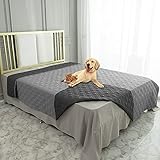
For couch protectors, non-slip backing and anchor straps matter more than decorative piping. A reversible cover such as the Ameritex waterproof dog bed cover can be useful when one side becomes dirty, but check whether its dimensions cover the full furniture area. A separate Smiry waterproof reversible pet couch cover may suit a smaller sofa or chair; its low listed price of $9.99 makes it a budget-style option, but coverage and fabric weight should determine the purchase.
Comfort and Performance: Balance Cushion, Absorption, and Drying
Healthy adult dogs often do well with 2 to 4 inches of cushioning. Senior dogs, thin-coated breeds, and pets with joint concerns may benefit from 4 to 6 inches of supportive foam or dense fill, provided the surface remains stable and does not collapse completely. Small animals usually need a flatter, stable surface rather than a tall bolster they must climb over.
For absorbent pads, consider capacity in layers. A waterproof pad alone protects furniture but does not necessarily keep the pet dry. An absorbent pad alone may soak through. Products such as reusable incontinence pads, including 34-by-36-inch four-packs priced around $21.84 in the example range, are most useful when placed beneath a washable blanket or crate liner. Change the pad as soon as it is wet to reduce odor and skin irritation.
Drying time is a practical performance measure you can check yourself. After washing, the bedding should be fully dry before reuse; thick beds that remain damp after 24 hours are difficult to rotate hygienically. Keep at least two complete sets for daily use. For guinea pigs and other small animals, a washable liner such as a 24-by-48-inch Sunheir two-pack, listed around $22.49 in the example range, can simplify rotation when the cage floor matches the dimensions.
Price Tiers: Compare the Cost of a Complete Rotation
Budget washable bedding generally costs about $10 to $25 per piece. This tier includes thin blankets, simple waterproof covers, and basic absorbent pads. A $17.09 Ameritex-style waterproof furniture blanket can be economical for protecting a favorite chair, but you may need a separate cushion or absorbent insert.
Midrange options usually cost $25 to $70 for a cover-and-insert bed, or $20 to $45 for a multi-pack of pads. Expect better quilting, stronger closures, more consistent sizing, and thicker materials. Premium beds commonly cost $70 to $180 or more, especially for orthopedic foam, replaceable covers, larger sizes, or specialized cooling and heating features.
Calculate the price of two or three complete sets, not one bed. A $40 bed that needs frequent washing may be less practical than two $25 pads. Also account for replacement covers, detergent, laundromat fees, and the likelihood that waterproof laminate or foam will wear out before the outer fabric.
Warranty: Know What Is Actually Covered
A basic bedding warranty may cover manufacturing defects for 30 to 90 days. Better products may offer six months to one year, while some premium manufacturers cover workmanship for two years or more. Warranties rarely cover chewing, normal staining, shrinkage caused by hot washing, pet damage, or odor caused by delayed cleaning.
Before buying, check whether the warranty applies to the cover, insert, foam, and waterproof backing separately. Keep the receipt and follow the stated care instructions. If a zipper fails after several washes or the laminate separates without misuse, photographs and wash records may help with a claim.
Delivery and Assembly: Check the Practical Details
Most washable bedding requires no assembly, but large orthopedic beds may arrive compressed. Allow 24 to 72 hours for foam to expand, and do not judge firmness immediately after opening. Confirm the packaged and expanded dimensions if you live in an apartment or use a narrow doorway.
Delivery costs can change the value of a bulky bed. A $60 item with a $20 shipping charge may cost more than a $75 option with free delivery. Check whether the product arrives with the cover already installed, whether replacement covers are available, and whether the return window begins at delivery. Washable bedding should generally be inspected before the first wash so defects can be documented.
Spec Checklist
| Spec | Budget | Mid | Premium |
|---|---|---|---|
| Typical price | $10–$25 | $25–$70 | $70–$180+ |
| Common thickness | 0.25–2 inches | 2–4 inches | 4–6 inches |
| Water protection | Coated underside | Full waterproof backing | Waterproof backing plus protected seams |
| Recommended closure | Envelope or simple zipper | Covered zipper | Heavy-duty covered zipper with replaceable cover |
| Wash frequency target | Weekly or as needed | Several times monthly | Several times weekly |
| Rotation | Two pieces preferred | Two complete sets | Two sets plus spare covers |
Red Flags
- “Machine washable” applies only to a thin cover while the foam or insert cannot be cleaned.
- The listing gives outside dimensions but omits the usable sleeping area.
- Water-resistant fabric is described without a waterproof backing or sealed seams.
- There are no care instructions, drying guidance, or replacement-cover options.
- Loose filling, exposed foam, fragile ties, or accessible decorative parts could become chewing hazards.
- A pad is advertised as absorbent without stating its layers, dimensions, or intended use.
- The product is too thick for the washer and no realistic cleaning alternative is available.
- Reviews repeatedly mention shrinking, peeling laminate, broken zippers, or persistent dampness.
FAQ
How many washable pet beds do I need?
Two complete sets are the practical minimum for one pet: one in use and one being washed or drying. Three sets are better for puppies, incontinent pets, or pets that sleep on multiple pieces of furniture.
Are washable pet beds waterproof?
Not automatically. “Washable” describes cleaning, not liquid protection. Look for a waterproof TPU, PUL, or laminated backing and check that it covers the full underside. For repeated accidents, pair the bed with a separate absorbent pad.
What size washable bed should I buy for my dog?
Measure your dog while stretched out and add 6 to 12 inches to the length, depending on sleeping style. Then subtract bolster thickness from the listed outside dimensions to confirm the actual interior space.
Can I put pet bedding in a dryer?
Only if the care label allows it. Use low heat for waterproof laminates, synthetic fill, and foam-compatible covers. Remove the bedding when dry, and never return a damp or overheated insert to your pet.
Ready to decide? Our #1 pick for 2026 is the Typical price.
Live price & availability on Amazon.