- Top Pick: Europe Heatwave Survival Guide 2026: How to Stay Safe During Extreme Heat, Prevent Heat Illness, Protect Your Family and Pets, Prepare Your Home, and Build an Emergency Heatwave Plan
- Best Value: Cooling Oasis: Surviving the Heat Wave
- Premium Choice: The Complete Heatwave Survival Guide: How to Beat Extreme Heat, Prevent Heatstroke, Keep Your Home Cool, Stay Hydrated, Protect Children and Pets, and Prepare for Future Heatwaves
📅 Last updated:
As an Amazon Associate, we earn from qualifying purchases.
The 2026 US heatwave is pushing temperatures to dangerous highs, and your pets feel it faster than you do. Dogs and cats can’t sweat the way we do, so summer heat becomes a real health threat within minutes. This guide walks you through heatwave pet safety: spotting heatstroke, keeping pets hydrated, timing walks, and the cooling gear worth buying.
As an Amazon Associate we earn from qualifying purchases at no extra cost to you.





🛒 Best Price Today on Amazon
Prime members get fast, free shipping on everything above, plus member-only deals. New members get a 30-day free trial — cancel anytime.
📋 Table of Contents
- Why the 2026 Heatwave Is So Dangerous for Dogs and Cats
- Signs of Heatstroke in Pets — Act Fast
- Hydration: Keep the Water Flowing
- Safe Walk Times and the Pavement Test
- Best Cooling Products for Pets: Comparison Table
- Your Summer Pet Cooling Kit
- Extra Heatwave Tips for a Cool, Happy Pet
- Frequently Asked Questions
- Related reading
- Related Articles
Why the 2026 Heatwave Is So Dangerous for Dogs and Cats
Pets regulate body temperature very differently from humans. Dogs cool themselves mainly by panting, and cats rely on grooming and finding shade. Neither method works well once the air temperature climbs into the 90s and beyond. During a prolonged heatwave, the risk stacks up day after day because pets never fully recover overnight when nights stay warm too.
Brachycephalic (flat-faced) breeds like Pugs, Bulldogs, Boxers, and Persian cats are at even higher risk because their shortened airways make panting inefficient. Overweight pets, senior animals, puppies, kittens, and pets with heart or respiratory conditions also overheat much faster. If you own any of these, heatwave pet safety is not optional this summer — it’s a daily responsibility.
How Hot Is Too Hot?
As a rule of thumb, once outdoor temperatures reach 85°F (29°C), you should limit outdoor activity for most pets. Above 90°F, keep exercise brief and stick to shade. Humidity matters just as much as the thermometer: high humidity prevents panting from cooling a dog effectively, so a humid 85°F day can be more dangerous than a dry 95°F one. When in doubt, keep pets indoors with fans or air conditioning. See our hydration tips and safe walk times below.
Signs of Heatstroke in Pets — Act Fast
See also: How to Set Up Timed Pet Feeder (2026): Step-by-Step • Water Fountain Buying Guide for Multiple Pets in 2026: What Actually Matters
Heatstroke (hyperthermia) can turn fatal within minutes, so knowing the early warning signs saves lives. A pet’s normal body temperature is roughly 101–102.5°F. Once it rises above 104°F, organ damage can begin. Watch closely for these symptoms during hot weather:
- Excessive, frantic panting that doesn’t slow down when the pet rests
- Bright red or pale gums and heavy drooling with thick saliva
- Lethargy, weakness, or stumbling and reluctance to move
- Vomiting or diarrhea, sometimes with blood
- Rapid heartbeat, glazed eyes, or disorientation
- Collapse, seizures, or unconsciousness in severe cases
If you notice these signs, move your pet to a cool, shaded area immediately. Offer small amounts of cool (not ice-cold) water. Wet the fur with cool water — focus on the belly, groin, paw pads, and armpits — and use a fan to speed evaporation. Do not use ice or freezing water, which can constrict blood vessels and trap heat. Then call your veterinarian or an emergency clinic right away. Even a pet that seems to recover needs a vet check, because internal damage may not be visible.
Never Leave a Pet in a Parked Car
This is the single most important heatwave rule. On a 90°F day, the inside of a parked car can reach 120°F in under 20 minutes, even with the windows cracked. Cracking the windows does almost nothing. A “quick errand” is long enough to cause fatal heatstroke. Never leave your dog or cat in a parked vehicle during summer — no exceptions. If you see a distressed animal locked in a hot car, call local animal control or the police.
Hydration: Keep the Water Flowing
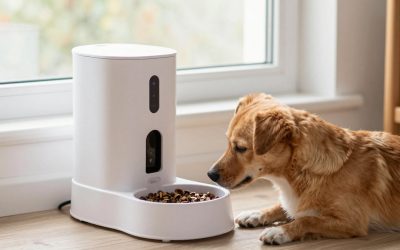
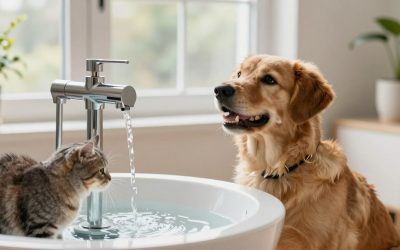
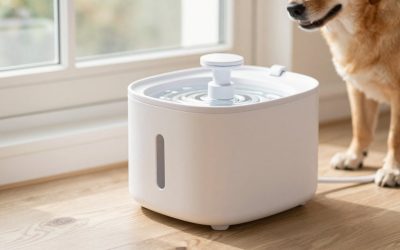
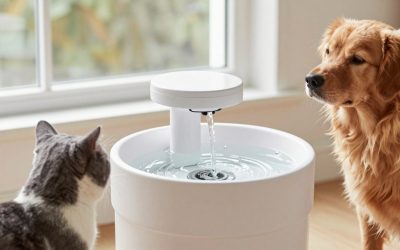
Dehydration accelerates heatstroke, so constant access to fresh, cool water is your first line of defense. Refill bowls several times a day and add ice cubes to keep water appealing. Many pets drink more from a moving water source, which is why a pet fountain is one of the best summer investments. Place multiple water stations around your home so no pet has to travel far for a drink.
For dogs, freeze low-sodium broth into ice cubes as a hydrating treat, or offer chunks of watermelon (seedless, rind removed). For cats, wet food adds moisture to their diet. When traveling or on walks, carry a portable water bottle designed for pets so you can offer water anywhere. Check gums for hydration: if they feel dry or tacky, or if skin over the shoulders is slow to spring back when gently pinched, your pet needs water and a cool-down.
Safe Walk Times and the Pavement Test
Timing is everything during a heatwave. Walk your dog in the early morning (before 8 a.m.) or late evening (after 8 p.m.) when temperatures and pavement are coolest. Avoid midday walks entirely. Keep sessions short and bring water. Choose grassy or shaded routes over sun-baked concrete and asphalt.
Always run the seven-second pavement test: press the back of your hand to the sidewalk. If you can’t hold it there comfortably for seven seconds, it’s too hot for your dog’s paws. Hot pavement can cause painful burns and blisters in minutes. On extreme days, skip the walk and provide indoor enrichment instead — puzzle toys, training games, or gentle indoor play. Protective paw balm and dog boots help on unavoidable outings.
Best Cooling Products for Pets: Comparison Table
The right gear makes a real difference during a heatwave. Here’s a quick comparison of the most effective cooling products to keep your dog and cat comfortable and safe this summer.
| Product | Use | Best for |
|---|---|---|
| Pet Cooling Mat | Pressure-activated gel pad that lowers body temperature while resting | Dogs and cats lounging indoors or in crates |
| Pet Water Fountain | Circulates filtered, fresh water to encourage drinking | Cats and picky drinkers who need more hydration |
| Dog Cooling Vest | Evaporative wrap that cools during outdoor activity | Active dogs and short outdoor outings |
| Travel Water Bottle | Portable bottle-and-bowl combo for water on the go | Walks, road trips, and hikes |
| Paw Protection Balm | Protective wax barrier against hot pavement | Dogs walking on warm sidewalks |
Your Summer Pet Cooling Kit
Building a complete cooling kit before the worst of the heatwave hits means you’re ready for anything. These five essentials cover resting, hydration, activity, and paw protection. Stock them now so a sudden heat spike never catches you unprepared:
- Self-Cooling Gel Mat — a no-power pad that gives pets an instant cool surface to lie on indoors, in the car, or in a crate.
- Stainless Steel Pet Fountain — keeps water moving and fresh so cats and dogs drink more throughout hot days.
- Portable Travel Water Bottle — a leak-proof squeeze bottle with a built-in bowl for hydration on every walk and trip.
- Evaporative Cooling Vest — soak it, wring it, and wear it to keep active dogs cooler during short outdoor sessions.
- Paw Protection Balm — shields sensitive paw pads from hot pavement and soothes minor cracks and burns.
Extra Heatwave Tips for a Cool, Happy Pet
Beyond gear, a few habits make summer safer. Keep your home cool with fans or air conditioning, and set up a shaded, breezy resting spot away from windows. Groom long-haired pets to remove excess undercoat, but never shave a dog completely — the coat actually insulates against heat and protects skin from sunburn. Provide indoor play during peak heat and save vigorous exercise for cool hours.
For outdoor cats, ensure constant access to shade, fresh water, and a cool indoor retreat. Small pets, rabbits, and birds are also vulnerable — keep their enclosures out of direct sun. Finally, know your nearest emergency vet’s location and hours before you need them. Preparation turns a scary heatwave into a manageable season. For more seasonal care, explore our summer pet care guide and pet first-aid basics.
Frequently Asked Questions
What temperature is too hot to walk my dog?
Limit walks once it hits 85°F, and avoid outdoor exercise above 90°F, especially in high humidity. Always use the seven-second pavement test — if the sidewalk is too hot for the back of your hand, it’s too hot for paws. Walk in the early morning or late evening instead.
How can I tell if my cat is overheating?
Watch for open-mouth panting (unusual for cats), restlessness, drooling, lethargy, red gums, and vomiting. Cats often seek out cool tile or hide in dark spots when too warm. Move an overheated cat to a cool room, offer water, and contact your vet if symptoms persist or worsen.
Do cooling mats actually work for pets?
Yes. Pressure-activated gel cooling mats absorb body heat and provide a consistently cooler surface without electricity or refrigeration. They work best in shaded, ventilated spots and give pets a comfortable place to rest during a heatwave. Pair one with fresh water and airflow for the best results.
What should I do first if my pet has heatstroke?
Move your pet to shade immediately, offer small sips of cool water, and wet the belly, groin, and paw pads with cool (not ice-cold) water while using a fan. Then call your veterinarian right away — heatstroke is a medical emergency, even if your pet appears to recover.
Related reading
- How to Introduce a Dog to a Cat the Right Way
- Best Pet Harness Small Dog 2026
- Best Cat Backpack Pet Carrier 2026
- Why Is My Dog Shedding So Much? Causes and Solutions