📅 Last updated:
If your cat and your household are average, clumping clay litter is the best all-around choice because it controls odor fastest per dollar; crystal litter wins for low dust and long odor control in small apartments; and pine litter wins for cost per pound and biodegradability in multi-cat or budget-conscious homes. The right pick really depends on how many cats you have, how often you scoop, and whether anyone in the house has asthma or allergies.
📋 Table of Contents
- How the three materials actually differ
- Absorbency per pound: who actually holds more liquid
- Odor control: the real-world timeline
- Dust and tracking: what ends up on your floor
- Weight for hauling and scooping
- Flushability and disposal
- Monthly cost: a worked comparison
- Decision matrix: which fits your situation
- Common mistakes that undercut any litter's performance
- The bottom line
How the three materials actually differ
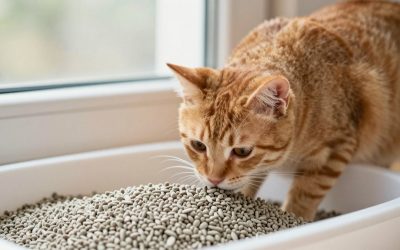
All three are sold as “cat litter,” but they absorb, smell, and break down in completely different ways. Clumping litter is made from sodium bentonite clay that swells into solid clumps when wet. Crystal litter is silica gel beads that absorb moisture into their structure without clumping. Pine litter is compressed sawdust pellets that break down into sawdust once wet and rely on the wood’s natural scent to mask odor.
| Factor | Clumping Clay | Crystal (Silica) | Pine Pellets |
|---|---|---|---|
| Absorbency per pound | Moderate (absorbs ~2x weight in liquid) | High (absorbs ~4x weight in liquid) | High (absorbs ~3-4x weight, but disintegrates) |
| Odor-control window before box smells | 2-3 days with daily scooping | 5-7 days (urine locked in beads) | 3-4 days (scent fades as pellets break down) |
| Dust level | Moderate to high | Very low | Low (some dust from pellet breakdown) |
| Tracking | High (fine particles stick to paws) | Low to moderate (beads are larger) | Low (pellets are heavier, less sticky) |
| Bag weight (typical) | 20-40 lb bags | 4-8 lb bags | 20-30 lb bags |
| Flushable | No (clumps, clogs pipes) | No | Some brands yes, check label |
| Monthly cost, one cat | Check on Amazon | Check on Amazon | Check on Amazon |
Absorbency per pound: who actually holds more liquid
See also: Best Rabbit Repellents for Vegetable Gardens • How Often Should You Change Cat Litter? A Simple Schedule by Litter Type
Pound for pound, crystal litter absorbs the most liquid relative to its weight, which is why a small 4-8 lb bag can last a single cat several weeks. Pine pellets are a close second on raw absorbency, but they disintegrate into loose sawdust once saturated, so you lose structure fast in a multi-cat box. Clumping clay absorbs less per pound than the other two, but it isolates waste into solid clumps you can remove immediately, which matters more than total absorbency if you scoop daily.
What this means in practice
- One cat, scooped daily: clumping clay is efficient because you’re removing saturated clay before it has to hold much liquid.
- Multiple cats, scooped once a day: crystal litter’s higher per-pound capacity means less frequent full changes.
- Pine pellets: best for a single cat in a low-maintenance setup where you sift out solids and let pellets absorb urine until they fully break down.
Odor control: the real-world timeline
Clumping clay controls odor well in the first 48-72 hours, but ammonia smell builds fast once the box isn’t scooped daily, because urine-soaked clumps sitting in the box continue to release odor. Crystal litter has the longest odor-free window of the three, often 5-7 days for a single cat, because the silica traps moisture and bacteria don’t thrive the same way they do in clay. Pine pellets rely partly on masking scent rather than neutralizing it, so once the wood smell fades, you’ll notice ammonia creeping in faster than with crystal, even though absorbency is similar.
Dust and tracking: what ends up on your floor
Dust is the biggest complaint with clumping clay litter, especially cheaper formulas, and it’s a real consideration if anyone in the house has asthma or sensitivities. Crystal litter produces very little dust because the beads don’t break down into fine particles the way clay does. Pine pellets fall in between, generating a bit of fine sawdust as pellets break apart, but nowhere near the dust cloud some clay litters kick up during pouring or digging.
Tracking is a separate issue from dust. Clumping clay’s small granules cling to paw fur and get walked across the house. Pine pellets are larger and heavier, so cats shake them off more easily. Crystal beads are also larger than clay dust but can still get flicked outside the box during digging, so a litter mat helps regardless of material.
Weight for hauling and scooping
If stairs or small storage space are a factor, this matters more than people expect. Clay litter bags are heavy, typically 20-40 lb, and you’re hauling that weight home and up stairs every month. Crystal litter bags are much lighter, 4-8 lb, which is a real advantage for apartment dwellers or anyone with mobility limitations. Pine pellet bags sit in a similar weight range to clay, 20-30 lb, but many owners find pellets easier to scoop since they’re sifting solids rather than digging out dense clumps.
Flushability and disposal
None of these three litter types should be flushed down the toilet in most households, despite some marketing claims. Clumping clay absolutely should never be flushed, it swells and can clog pipes or septic systems. Crystal litter isn’t biodegradable and shouldn’t go down a toilet either. Pine litter has some brands labeled flushable in small amounts, but check the specific product label and your local plumbing and septic guidelines before trying it. For general disposal, pine is the most eco-friendly option since the sawdust is biodegradable and can sometimes go into compost (never on edible gardens due to pathogen risk). Clay litter is not biodegradable and typically goes in household trash. Crystal litter also goes in regular trash and isn’t compostable.
Monthly cost: a worked comparison
For a single average cat using the litter box 3-5 times daily, here’s roughly how the materials compare per month:
| Litter Type | Typical Bag Size | Bags Needed Monthly | Estimated Monthly Cost |
|---|---|---|---|
| Clumping Clay | 20-40 lb | 1 bag | Check on Amazon |
| Crystal (Silica) | 4-8 lb | 2-3 bags | Check on Amazon |
| Pine Pellets | 20-30 lb | 1 bag | Check on Amazon |
Pine comes out cheapest per month for a single cat, clumping clay sits in the middle, and crystal litter costs more upfront but may save money long-term since you’re buying fewer full box changes if you supplement with daily scooping of solids.
Decision matrix: which fits your situation
| Your Situation | Best Choice | Why |
|---|---|---|
| Multi-cat home (3+ cats) | Clumping clay or pine (mixed by box) | Lower cost per pound, easy to scoop high volume daily |
| Small apartment, limited storage | Crystal | Light bags, less frequent full changes, minimal dust |
| Cat or owner with respiratory issues | Crystal or pine | Both produce far less airborne dust than clay |
| Tight monthly budget | Pine pellets | Lowest cost per pound and per month for single-cat homes |
| No time to scoop daily | Crystal | Longest odor-free window before the box needs attention |
| Want eco-friendly disposal | Pine | Biodegradable, lower environmental footprint |
Common mistakes that undercut any litter’s performance
- Not scooping clumping clay daily lets ammonia build up regardless of brand quality.
- Mixing crystal litter too shallow (under 2 inches) reduces its odor-control lifespan significantly.
- Letting pine pellets sit fully disintegrated without sifting creates a soggy, smelly mess fast.
- Switching litter types abruptly can cause cats to avoid the box; mix the new litter in gradually over 1-2 weeks.
- Using scented litter for cats with sensitivities can cause box avoidance or respiratory irritation; unscented is safer for cats with known issues.
The bottom line
For most single-cat households, clumping clay remains the practical default because it’s affordable, widely available, and effective when scooped daily. Crystal litter is worth the higher price in small apartments, low-maintenance routines, or homes where dust is a genuine health concern. Pine pellets make the most sense for multi-cat households watching their budget or anyone who wants a more biodegradable option. If your cat has existing respiratory conditions or you notice sneezing or coughing after litter changes, consult your veterinarian about which material and ventilation setup is best for your specific pet.